Backflow is one of those plumbing topics that stays invisible until a notice shows up in the mail or an inspector asks for paperwork. Then suddenly homeowners and business owners want to know what a backflow device is, why it has to be tested every year, and what happens if it fails. Here is the whole picture, written for Monrovia.
What backflow actually is
Normally, water flows one way: from the city main into your home and out your fixtures. Backflow is when that flow reverses, and water from your property gets pulled back into the clean supply. It sounds unlikely, but it happens when pressure in the main suddenly drops, during a water main break, heavy firefighting draw, or similar event, creating suction that can siphon water backward.
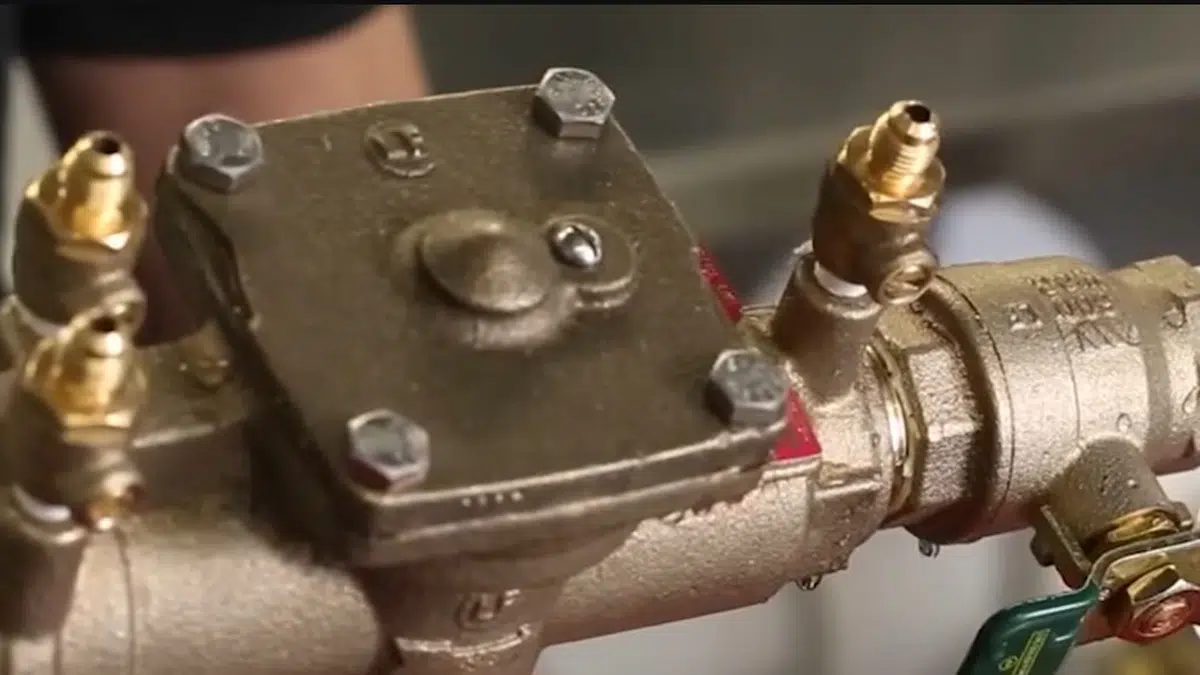
The danger is what that reversed water might carry. A hose left in a pool, a sprinkler line sitting in fertilizer runoff, or a chemical sprayer connected to a spigot could all be pulled back into the drinking water if there were nothing to stop it. A backflow prevention device is that something: a one-way safeguard that physically prevents reverse flow.
Why California requires annual testing
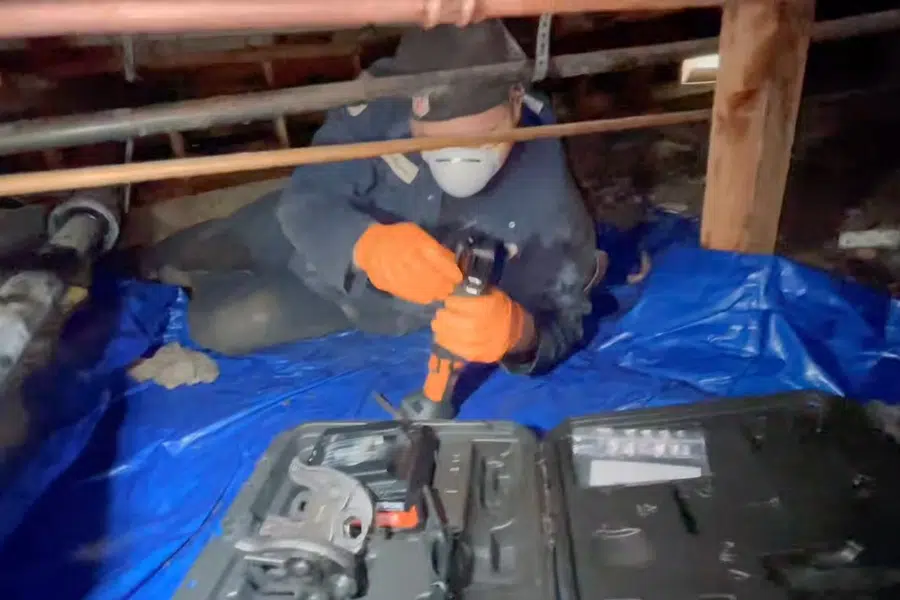
Because a backflow device protects the public water supply, the state takes it seriously. Under California Title 17, the regulation governing cross-connection control, many backflow assemblies must be tested every year by a certified tester to confirm they still work. The water purveyor typically tracks which properties have devices and sends a notice when testing is due. The test itself takes about 20 to 30 minutes per assembly, and the certified tester files the result with your water purveyor, so a property with separate domestic, irrigation, and fire connections needs three separate tests filed the same year.
The test itself is quick. A certified tester connects calibrated gauges to the assembly and verifies that it holds against reverse flow as designed. If it passes, the results are filed with the water purveyor and you are set for another year. If it fails, the device has to be repaired or replaced to restore protection and compliance.
Who needs a backflow device in Monrovia
Not every home has one, but plenty do. The most common residential trigger is irrigation: if your sprinkler or drip system connects to the drinking water supply, it almost certainly needs a backflow assembly, and that device needs annual testing. Many Monrovia foothill homes with irrigation fall into this category.
- Homes with in-ground irrigation or sprinkler systems
- Properties with pools or water features plumbed to the supply
- Commercial buildings, restaurants, and multi-unit properties
- Any property with a fire-suppression line
- Buildings with certain boilers or specialized equipment
Businesses generally carry more devices and more scrutiny than homes, often with separate assemblies on domestic, irrigation, and fire connections, each requiring its own annual test. We handle the commercial side as part of our commercial plumbing service.
What happens if your device fails
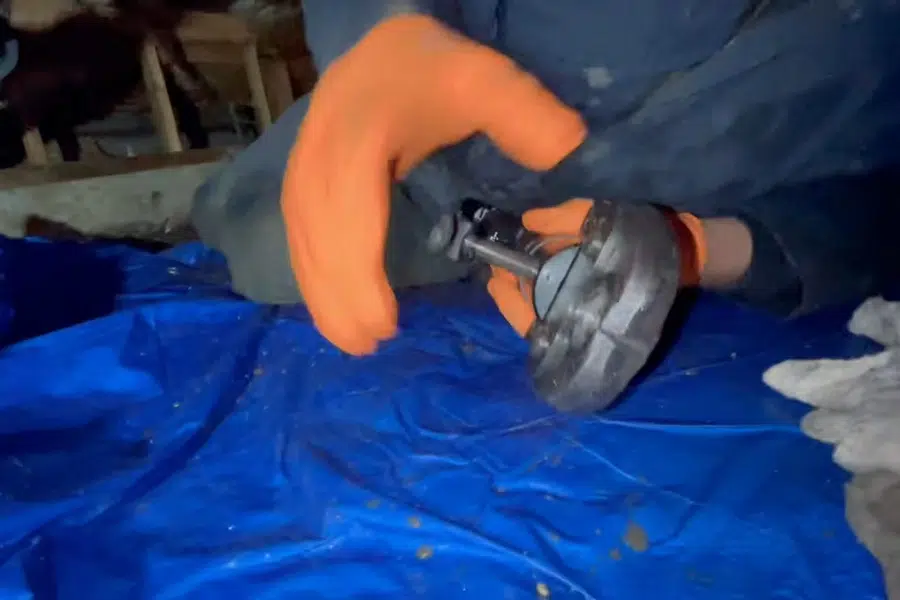
A failed test is not a disaster, it just means the assembly needs attention. Backflow devices have internal check valves and relief components that wear over time, and a failure usually means one of those needs rebuilding. Often a repair restores a sound assembly; sometimes a full replacement is the better call. A failed assembly has to be rebuilt or replaced before the purveyor will accept a passing result, which is the repair side of our backflow testing services in California. Either way, the point is to get protection and compliance back in place, which we cover in our backflow testing and prevention service.
Ignoring a notice is the path to avoid. A device quietly past its test date is a compliance gap and, more importantly, a protection gap, and the consequences range from purveyor follow-up to, in the worst case, an actual contamination event. Staying current is inexpensive insurance.
The homeowner takeaways
If you got a backflow notice, it means you have a device on record that is due for its annual test, most likely on an irrigation connection. The test is quick and inexpensive, a certified tester handles it, and the paperwork gets filed for you. If the device fails, it gets repaired or replaced. That is really the whole story for most homeowners.
It is also worth knowing that outdoor faucets and irrigation connections that lack any backflow protection should have it added, which we handle alongside our hose bib and outdoor faucet work. If you are not sure whether your home has a device, or whether it needs one, we can take a look.
The bottom line
Backflow testing exists to keep contaminated water out of the supply everyone drinks, and California requires it annually for good reason. For most Monrovia homeowners it comes down to an irrigation device, a quick yearly test, and filed paperwork. If yours is due, has failed, or you think you need a device added, we are certified to test, repair, and install, and to handle the documentation and filing that keeps you compliant year after year.
Frequently asked questions
Why did I get a backflow test notice?
It means you have a backflow device on record, most often on an irrigation connection, that is due for its annual test under California Title 17. The water purveyor tracks devices and sends notices when testing is due.
What does the backflow test involve?
A certified tester connects calibrated gauges to the assembly and confirms it holds against reverse flow. If it passes, the results are filed with the purveyor. If it fails, the device needs repair or replacement to restore protection and compliance.
Does my home irrigation really need backflow protection?
If your sprinkler or drip system connects to the drinking water supply, yes, it needs a backflow device, and that device requires annual testing. Many Monrovia homes with irrigation fall under this requirement.