What repiping is, and why Monrovia sees it
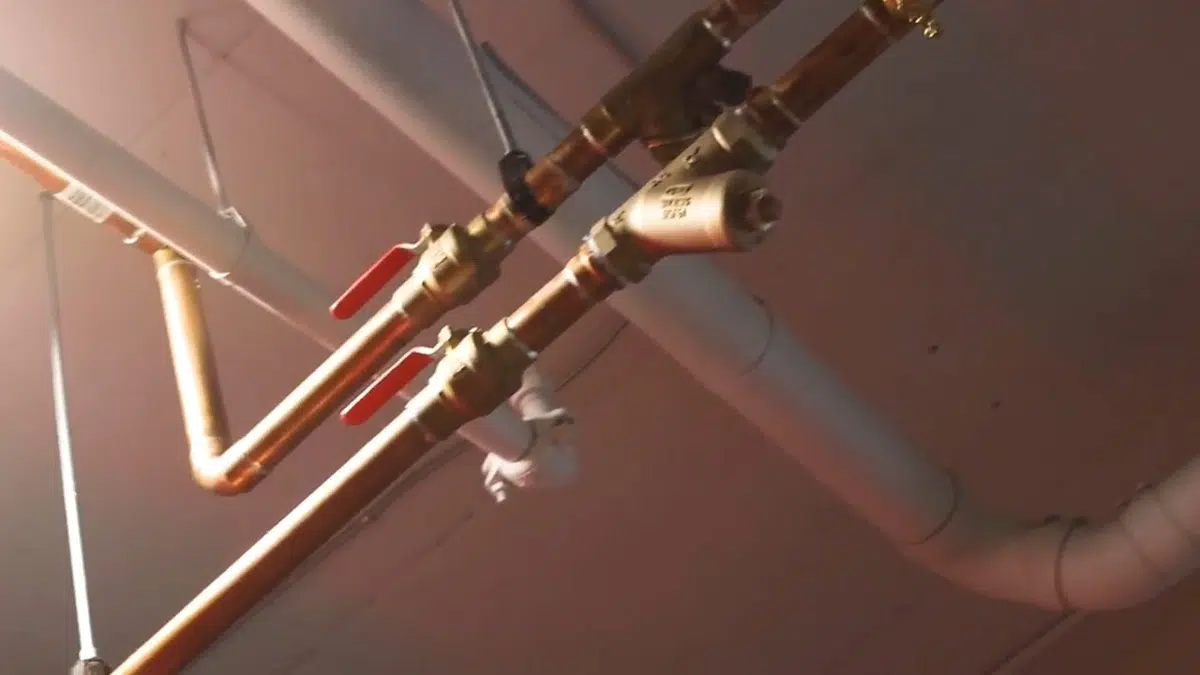
Repiping means replacing the water supply lines throughout a home, rather than patching one failure at a time. It is the definitive fix for a house whose original plumbing has reached the end of its life, and in Monrovia that house is everywhere. The homes around Old Town, central Monrovia, and Mayflower Village were largely built before 1965 in galvanized steel, and galvanized has a lifespan that those homes have now outlived.
Galvanized fails from the inside. The zinc coating wears, the steel underneath rusts, and the pipe slowly closes with corrosion while the threaded joints weaken. The result is the cluster of symptoms repiping customers describe: rusty or discolored water, water pressure that has faded over the years, pinhole leaks that keep appearing, and the occasional burst that finally forces the issue. Once one section goes, the rest is not far behind, because all of it aged together.
There is also a practical reason homeowners stop patching. Insurers have grown wary of galvanized, and a string of leak claims or a home with known galvanized plumbing can complicate coverage. Repiping turns an aging liability into a modern, reliable system, which matters both for daily life and for the value of the home.
The two materials we repipe in are PEX and copper. PEX is flexible, fast to install, resistant to the scale that Monrovia's very hard water leaves, and the most cost-effective choice for most homes. Copper is the premium option, rigid and long-proven. We walk through the trade-offs so the choice fits your home and budget rather than a default.
Heritage homes are where repiping takes real care, and where a lot of plumbers cut corners. In Old Town and the older neighborhoods, the house itself is the point, and on a designated landmark with a Mills Act contract, the work has to respect the home's protected character. We route new lines through crawlspaces, attics, and closets to keep wall openings to a minimum, plan access points where patching is least disruptive, and keep changes sympathetic to the home.
Done right, a repipe is a one-time project that resets the clock on a home's plumbing for decades. We treat it that way: planned carefully, executed cleanly, and finished with the access points patched so you are left with reliable water and a tidy house, not a construction zone.
How we plan a repipe
A whole-home repipe is a real project, so the planning is what makes it go smoothly.
Assess the existing system
We confirm the pipe material, map the runs, and look at the condition and the home's construction, raised foundation or slab, single story or two, which drives how we route the new lines.
Choose PEX or copper
We talk through the materials with you, weighing cost, longevity, and how each handles the local hard water, so the choice is informed rather than assumed.
Plan routing and access
We plan the new line paths through crawlspaces, attics, and closets to keep wall openings few and well-placed, with extra care on heritage and Mills Act homes to protect what matters.
How a repipe is done
A typical whole-home repipe runs a few days, and we keep your water disruption as short as possible.
Route the new supply lines
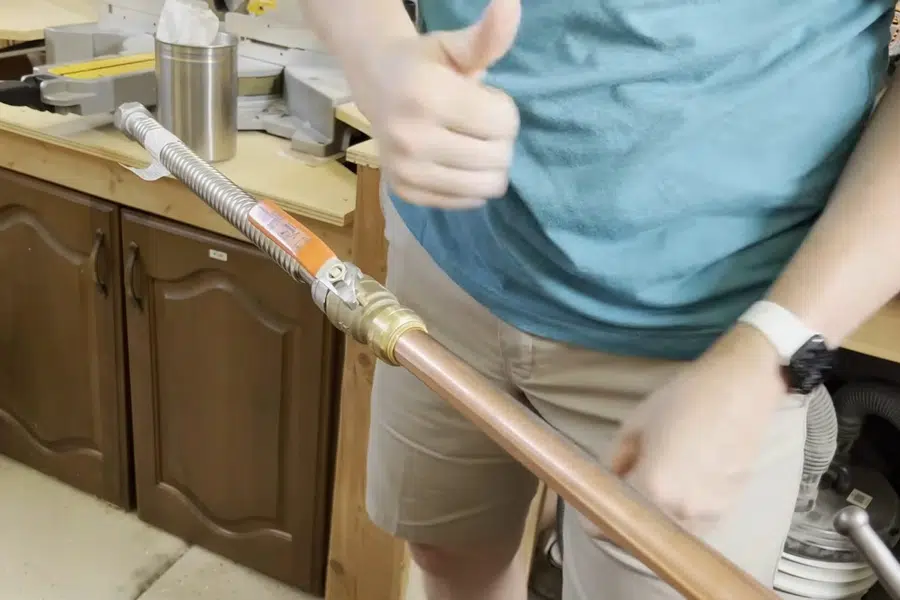
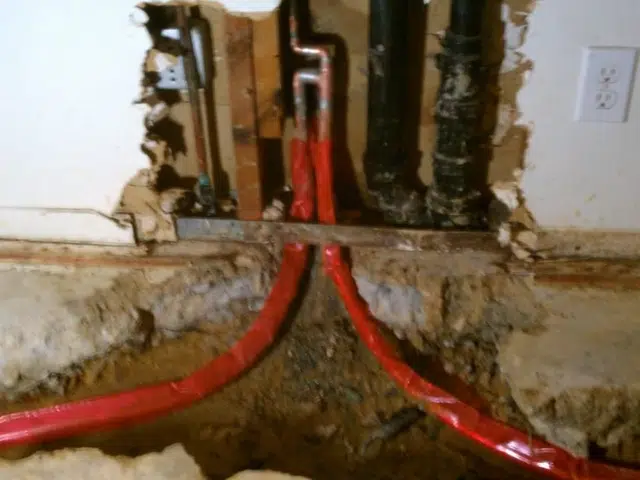
We run the new PEX or copper from the main through the home to every fixture, using crawlspace and attic paths where we can so the walls stay largely intact.
Make the connections and test
We tie in every fixture, connect to the water service, and pressure-test the whole system to confirm it holds before closing anything up.
Patch and restore access points
Where we had to open drywall, we patch the access points so the home is left clean. The goal is a finished job, not a series of holes for you to deal with later.
Signs your home needs repiping
A few clear signals mean it is time to repipe rather than patch again:
- Rusty, brown, or discolored water from the taps
- Water pressure that has dropped over the years
- Pinhole leaks that keep appearing in different spots
- A burst pipe in old galvanized, often the final straw
- Visibly corroded galvanized pipe at exposed connections
Cost of repiping in Monrovia and the west SGV
Repipe pricing depends on the size of the home, the material, and how accessible the runs are. We give a firm, itemized price after seeing the house, with the access patching included.
Typical price ranges (2026)
| Job | Typical range | Notes |
|---|---|---|
| Whole-home repipe (PEX) | $4,000 – $12,000 | Most heritage homes, by size and access |
| Whole-home repipe (copper) | $8,000 – $18,000 | Premium material option |
| Partial repipe or single zone | $2,000 – $5,000 | One run or wing of the home |
| Drywall and finish patching | Included | Access points closed and patched |
These figures reflect 2026 pricing across the west San Gabriel Valley and vary with your home's age, the access, and the materials involved. You get a firm number once we have looked at the job in person.
Other plumbing work we handle
A repipe is often the moment to address related items: adding a water softener so the new system stays scale-free in Monrovia's hard water, or handling a slab leak or a burst that triggered the project in the first place. We can fold those in so the home comes out of one project with its whole water system sorted.
Frequently asked questions
How do I know if my home needs a repipe?
Rusty water, fading pressure, and pinhole leaks that keep returning are the classic signs of failing galvanized, and most pre-1965 Monrovia homes still have it. When patches stop holding, a repipe is usually the more economical path.
Should I repipe in PEX or copper?
PEX is flexible, resists hard-water scale, installs faster, and costs less, which makes it the right choice for most homes. Copper is the premium, rigid, long-proven option. We explain the trade-offs so you can choose with confidence.
Will repiping tear up my heritage home?
We plan routing through crawlspaces, attics, and closets specifically to keep wall openings to a minimum, and we patch the access points we do make. On Mills Act and landmark homes, we take extra care to protect the home's character.
How long does a whole-home repipe take?
Most homes are a few days, depending on size and access. We keep the time you are without water as short as possible and tell you the schedule before we start.
Will a repipe affect my Mills Act status?
A well-planned repipe usually proceeds without disturbing a Mills Act contract, because we route the work to avoid protected features and keep changes sympathetic. We plan around what the City and preservation guidelines care about.
Does galvanized plumbing affect my home insurance?
Insurers have grown cautious about galvanized, and repeated leak claims or known galvanized lines can complicate coverage. Repiping replaces that aging liability with a modern, reliable system, which often helps.
Related plumbing help
Related services
Service areas we cover
From the blog
We write up the plumbing questions Monrovia homeowners actually ask, from hard water to heritage repipes. Browse them all on the blog.
Tired of patching old pipes?
Call and we will assess your system and give you a firm repipe quote that ends the cycle of leaks for good.