
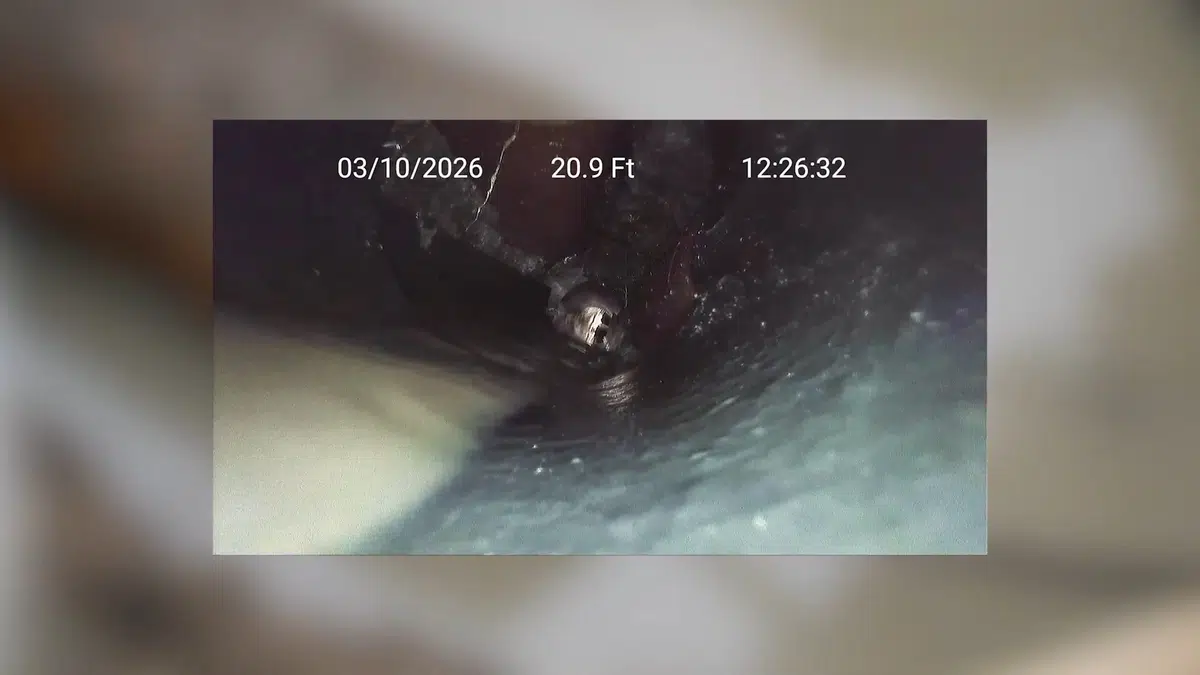
We talk a lot about galvanized supply lines in older Monrovia homes, but there is a second aging-pipe problem that gets less attention and causes just as much trouble: cast iron drain stacks. In the 1920s and 1930s homes around Old Town and Mayflower Village, the vertical pipes that carry wastewater down and out are often original cast iron, and after a century, many are failing. The question is whether to keep patching them or replace them.
What a cast iron drain stack is
While supply lines bring clean water in under pressure, drain lines carry wastewater out by gravity. In older homes, the main vertical drain, the stack, and many of the branch drains were made of cast iron, a heavy, durable material that was the standard for decades. Cast iron is genuinely tough, which is why so much of it is still in service a century later. But durable is not the same as eternal.
How cast iron fails
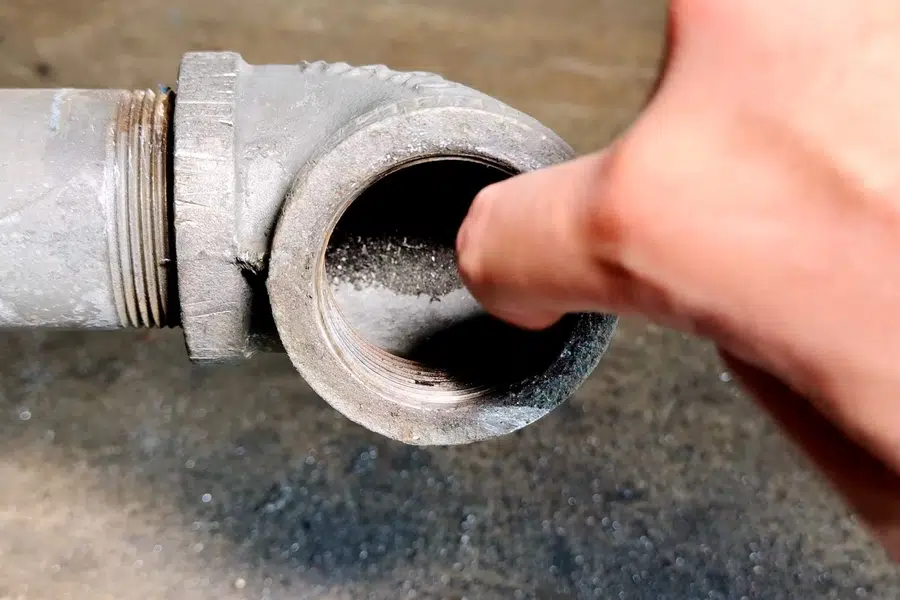
Cast iron fails from the inside, and from the bottom of the pipe in particular. Over decades, the constant flow of wastewater corrodes and erodes the lower inner surface, while rust and scale build up and narrow the channel. Eventually you get a pipe that is part rust, part buildup, and increasingly thin, a process plumbers call channeling, where the bottom of the pipe wears through while the top still looks intact.
The results show up as chronic problems: drains that clog again and again because the narrowed, rough interior catches everything, slow drainage throughout the house, sewer odors as the pipe loses its integrity, and eventually leaks where the metal has corroded through, often inside walls or under the floor where the damage is hidden.
The signs your cast iron is failing
- Drains that clog repeatedly despite snaking, especially the same ones
- Slow drainage across multiple fixtures
- Recurring sewer or sulfur smells indoors
- Stains on walls or ceilings along the path of a drain stack
- Brown water backing up into low fixtures like a tub or floor drain
A drain that you find yourself snaking every few months is often a cast iron stack telling you it is worn out. Repeated snaking of a failing stack is a losing game, because the rough, narrowed interior simply reclogs.
Repair or replace: how to decide
When repair makes sense
If a camera inspection shows the cast iron is still structurally sound, with buildup but no major corrosion-through, the line can often be cleaned and kept in service. Careful clearing, sometimes with hydro jetting tuned gently to the fragile pipe, can restore flow. We cover the careful approach in our drain cleaning service. This buys time when the pipe has life left in it.
When replacement is the answer
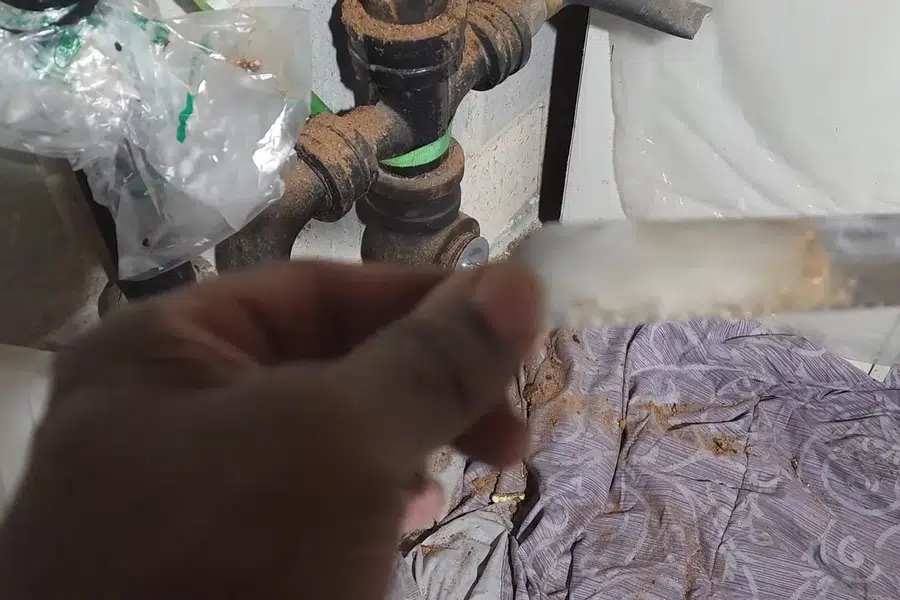
When the camera shows the pipe is channeled, cracked, or corroded through, cleaning is only a temporary reprieve, because the structure itself is failing. At that point, replacing a cast iron plumbing stack and its affected branches, typically with modern ABS or PVC, is the durable fix. It ends the cycle of clogs and prevents the hidden leaks that a failing stack eventually causes. On a 1920s Monrovia two-story, replacing a single vertical stack usually means opening wall sections on both floors and typically runs a multi-day job rather than a same-day repair, which is why the camera result matters more than the age of the pipe. For homes also dealing with old galvanized supply, it often makes sense to address both, which our repiping service can coordinate.
The heritage-home consideration
Replacing a drain stack in a 1920s home means opening walls to reach the vertical pipe, which is exactly the kind of work that needs a careful hand in a heritage home. We plan access points to minimize disruption and patch them cleanly, the same approach we take to any work on Old Town's older homes. The goal is a modern, reliable drain system inside a home that still looks original.
One practical point: cast iron drain work is often discovered during another project, a bathroom remodel, a repipe, or chasing a recurring clog. If your home already has the walls open for other work, that is the most efficient moment to deal with a failing stack, since the access is already there. We try to flag it early so you can make one decision rather than two.
The bottom line
Cast iron drain stacks in Monrovia's 1920s homes are at the age where many are failing from the inside. Whether to repair or replace comes down to one thing: what a camera shows. Sound pipe with buildup can be cleaned and kept; channeled or corroded pipe should be replaced before it leaks behind a wall. We are glad to camera your stack, show you its real condition, and give you an honest repair-or-replace recommendation.
Frequently asked questions
How long does cast iron drain pipe last?
Cast iron is durable and often lasts many decades, but in Monrovia's 1920s and 1930s homes it is now around a century old. Many stacks are failing from the inside through corrosion and channeling, which is why chronic clogs are common in these homes.
Can a failing cast iron stack be repaired, or must it be replaced?
It depends on what a camera shows. If the pipe is structurally sound with buildup, careful cleaning can keep it in service. If it is channeled, cracked, or corroded through, replacement with modern ABS or PVC is the durable fix.
Why does my drain keep clogging even after snaking?
In an old cast iron stack, the interior is rough and narrowed by rust and buildup, so it reclogs quickly after snaking. Repeated clogs in the same line often mean the stack is worn out and a camera inspection is worth doing.