Monrovia takes its history seriously, and many of the city's oldest homes, especially around Old Town, are designated historic landmarks, some with Mills Act contracts that recognize and help preserve them. If you own one, you already know the reward and the responsibility that come with it. When the plumbing needs updating, and in a century-old home it eventually does, the work has to respect the home's protected character. Here is what that means in practice.
A quick primer on the Mills Act
The Mills Act is a California program that lets owners of qualified historic properties enter into a contract with their city, in exchange for committing to preserve and maintain the home's historic character. In Monrovia, it has helped keep many of the city's finest old homes in good repair. The trade-off is that work on the home, including significant plumbing work, should be done in a way that protects the features that make it historically significant.
That does not mean you cannot modernize the plumbing. It means the modernization has to be thoughtful: sympathetic to the home, minimally invasive, and where possible reversible. The good news is that good heritage plumbing is exactly that anyway.
Why landmark homes need plumbing work
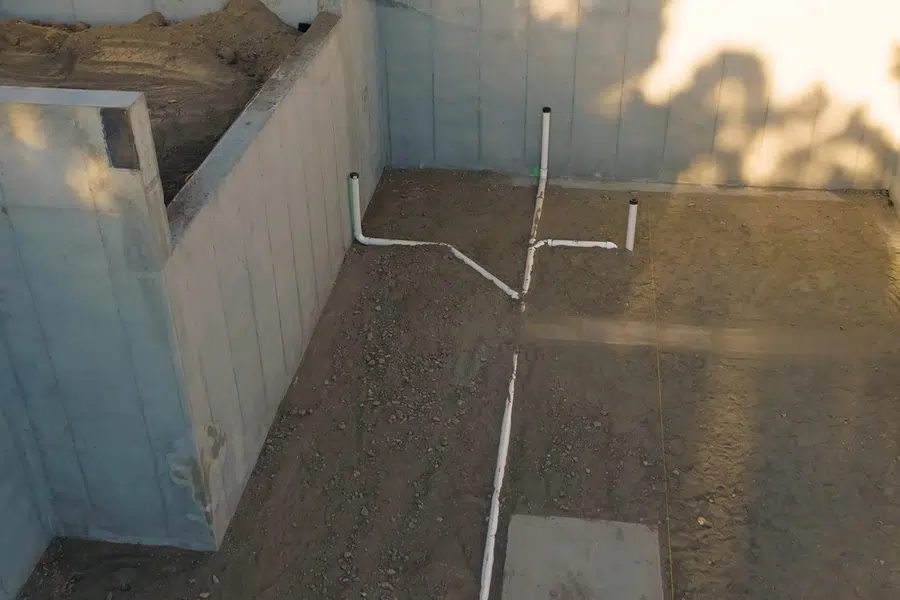
A designated home is still a home, and a century-old one has century-old plumbing. The same issues we see across Old Town show up here: galvanized supply lines that have corroded to the point of rusty water and weak pressure, clay sewers that mature trees have invaded, and original cast iron drains that have narrowed inside. None of these wait for permission, so the question is how to fix them in a way that honors the home.
How we approach a landmark repipe
Route around the home, not through it
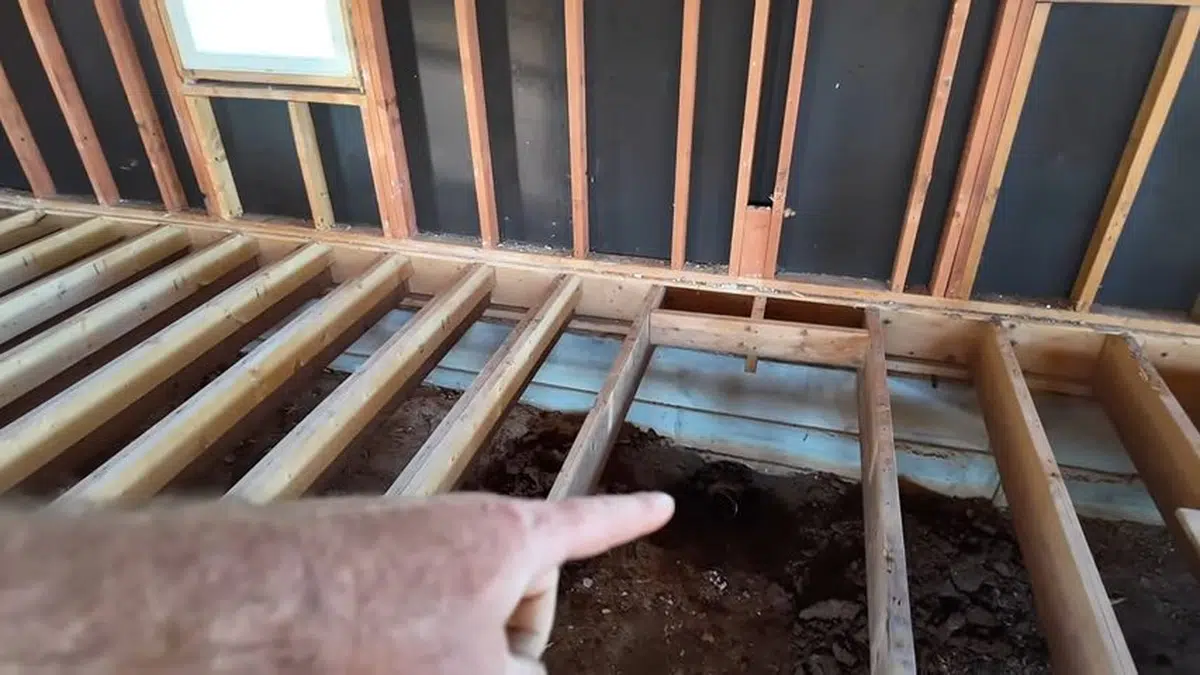
The biggest concern with repiping a historic home is wall and finish damage, and the answer is routing. We plan new supply lines through crawlspaces, attics, basements, and closets wherever possible, so the runs reach every fixture with the fewest possible openings in finished, character-defining walls. PEX makes this easier, because its flexibility lets us snake lines where rigid pipe could not go. We explain that choice in our PEX versus copper post.
Protect the features that matter
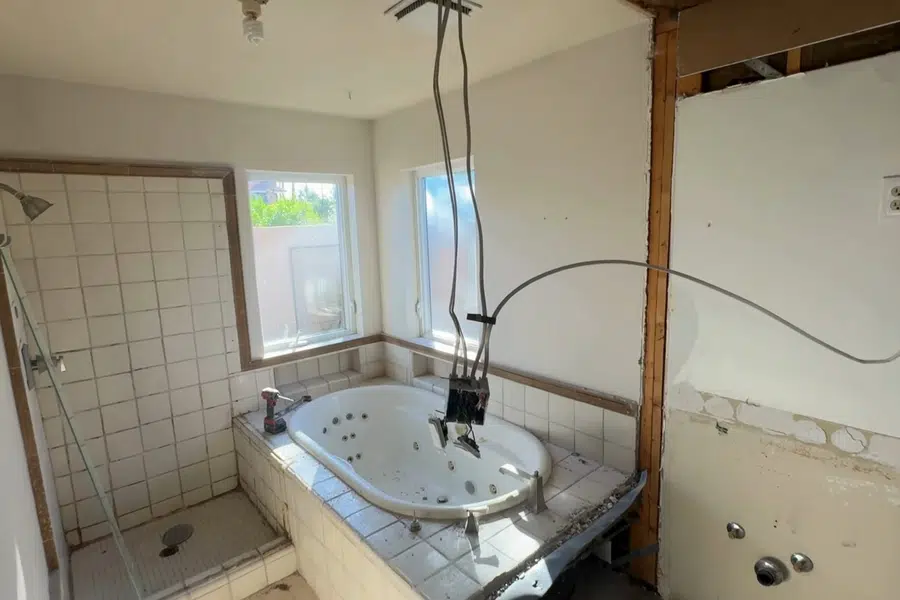
Original plaster, period tile, wood trim, built-ins, and decorative fixtures are part of what makes a home a landmark. We plan access points to avoid these wherever we can, and when an opening is unavoidable, we make it where it can be patched invisibly. The aim is that when the work is done, the home looks exactly as it did before.
Keep changes sympathetic and reversible
Where a historic fixture can be preserved or repaired rather than replaced, we favor keeping it. Where a replacement is necessary, we help choose something in keeping with the home's era. And we plan the work so that it does not permanently alter character-defining features, which aligns with both the spirit and the letter of a Mills Act commitment.
Coordinating with the city and your contract
Significant work on a designated home may involve permits and, depending on the scope, review against preservation guidelines. We are used to planning plumbing work around what the City and those guidelines care about, and to keeping the documentation that a Mills Act property benefits from. A well-planned repipe or sewer repair generally proceeds without disturbing a contract, precisely because it is designed to protect the home. We would rather take an extra hour planning the routing than cut a corner that affects a feature the home is recognized for.
Beyond repiping
The same careful approach applies to other work on a landmark home. A sewer line repair under a heritage yard uses trenchless methods to avoid tearing up mature landscaping. A bathroom update in a historic home, covered in our bathroom remodel service, balances modern function against original character. In every case, the principle is the same: modernize what is behind the walls, preserve what is in front of them.
The bottom line
Updating the plumbing in a Mills Act or landmark Monrovia home is entirely doable, and it is some of the most rewarding work we do. The key is a plumber who understands that the house is the point: who routes carefully, protects what matters, and keeps the work sympathetic to the era. Do that, and you get a reliable, modern water system inside a home that still tells its story. We are glad to walk your home and plan an approach that fits it.
Frequently asked questions
Can I repipe a Mills Act home without losing its status?
Generally yes. A well-planned repipe is designed to protect character-defining features, route through crawlspaces and attics, and keep changes sympathetic, which aligns with a Mills Act commitment. We plan the work around what the City and preservation guidelines care about.
How do you avoid damaging a historic home during plumbing work?
By routing new lines through crawlspaces, attics, and closets to minimize wall openings, planning any necessary access points where they can be patched invisibly, and using flexible PEX that needs fewer openings than rigid pipe. The goal is a home that looks unchanged afterward.
Do I need permits for plumbing work on a landmark home?
Significant work may require permits and, depending on scope, review against preservation guidelines. We are used to planning around those requirements and keeping the documentation a designated property benefits from.