
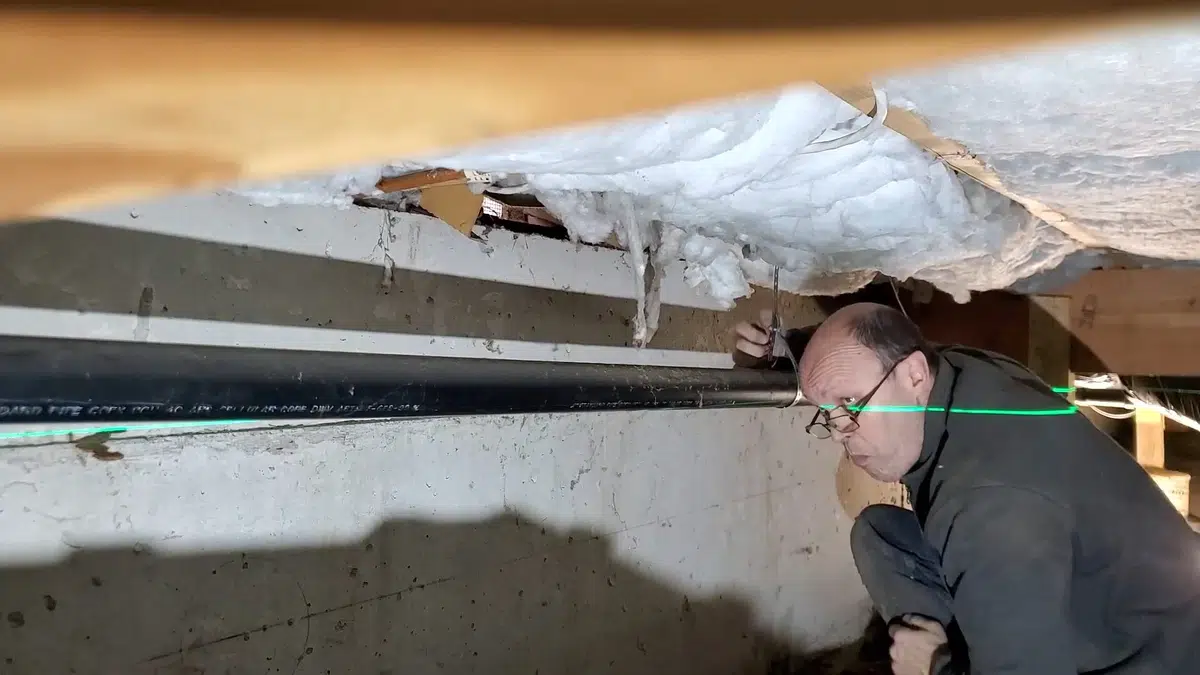
Drive down Myrtle Avenue or any of the older streets around Old Town, and the thing you notice is the trees: tall, mature sycamores and jacarandas arching over the road. They are one of the best things about these neighborhoods. They are also, from a plumber's point of view, the single most common cause of sewer trouble in older Monrovia, because of what their roots do to old clay pipe.
Why clay sewers and roots are a bad match
Homes built in Monrovia before about 1960 were typically connected to the city sewer with vitrified clay pipe. Clay was the standard for sewer laterals for a long time, and it holds up reasonably well, with one major weakness: the joints between sections are not perfectly sealed, and over decades they develop small gaps and cracks.
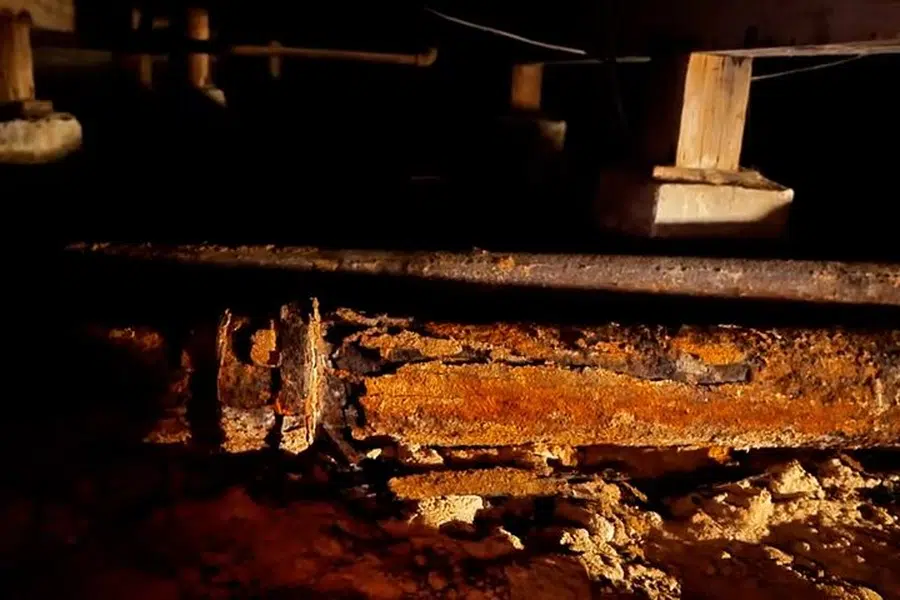
Tree roots are relentlessly good at finding water, and a sewer line is a buried source of exactly what they want. When a root reaches a slightly leaking clay joint, it works its way in through the gap. Once inside, it thrives in the moisture and grows, branching into a mass that catches everything passing through the pipe.
How root intrusion shows up
Root problems rarely announce themselves all at once. They build slowly, which is why the early signs are easy to dismiss until a real backup arrives.
- Multiple drains slowing or backing up at the same time, rather than just one fixture
- Gurgling sounds from toilets or drains when water runs elsewhere in the house
- A sewage smell in the yard or near a floor drain
- Patches of unusually lush or green lawn following the line of the sewer
- Backups that return within weeks of being cleared
That last one is the giveaway. A single clog clears and stays clear. A root intrusion clears, then grows back and reclogs the same line again and again, because the roots are still there feeding through the joint.
How we diagnose it
Because the sewer is buried, the only honest way to know what is happening is to look. We run a camera down the line, which shows exactly what we are dealing with: roots and where they are entering, cracks or offsets in the clay, a sagging section, or simple buildup. The footage takes the guesswork out and tells us whether the fix is a cleaning, a repair, or a replacement.
Fixing a root-invaded sewer
Clearing the roots
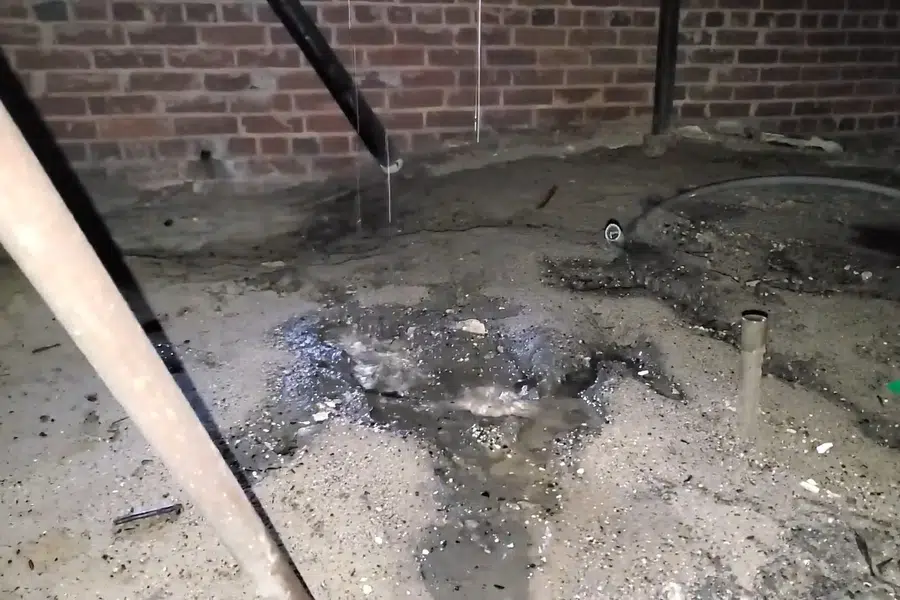
The first step is usually to clear the line. For root masses, hydro jetting is the right tool: a high-pressure water stream with a cutting head shears the roots out and flushes them away, scouring the pipe far more thoroughly than a cable can. We cover when jetting is the right call in our hydro jetting service. Clearing restores flow, but on its own it is temporary, because the roots will find their way back to the same gap.
Repairing or relining the pipe
To keep the roots out for good, the entry point has to be sealed. For a single bad section, a spot repair replaces that length of clay. For a longer run, a trenchless reline rebuilds the inside of the pipe with a cured-in-place liner, sealing the joints and cracks without digging up the whole yard, which is a real advantage under mature landscaping. Our sewer line repair page explains both.
Replacing a failed line
When a camera shows the clay is cracked or collapsed in too many places, repair becomes a stopgap, and a full sewer line replacement is the durable answer. Trenchless methods let us replace the line with minimal digging, which matters when there is a century-old tree and a brick walk to protect.
Can you keep the trees?
Almost always, yes. The goal is not to remove the trees that make these streets special, it is to seal the pipe so the roots have nowhere to get in. A relined or replaced sewer gives the roots a smooth, sealed surface they cannot penetrate, and the tree goes on doing what it does above ground. You get both: the canopy and a working sewer.
The bottom line
If you own an older Monrovia home on one of the tree-lined streets and your drains keep backing up, roots in a clay lateral are the likely culprit. The fix is straightforward once we see the line: clear the roots, then seal the pipe so they stay out. We are glad to camera your sewer and show you exactly what is going on underground.
Frequently asked questions
Why does my sewer keep backing up after it is cleared?
That pattern almost always means tree roots in a clay sewer lateral. Clearing restores flow, but the roots are still entering through a leaking joint and grow back. Sealing the pipe with a repair or reline is what keeps them out for good.
Will I have to remove my tree?
Almost never. The fix is to seal the pipe so roots cannot enter, not to remove the tree. A relined or replaced sewer gives roots a smooth, sealed surface they cannot penetrate, so you keep the tree and the working sewer.
Do you have to dig up my yard to fix it?
Often no. A camera pinpoints the problem so a spot repair stays small, and a trenchless reline rebuilds a longer run from the inside with minimal digging, which protects mature landscaping and hardscape.