
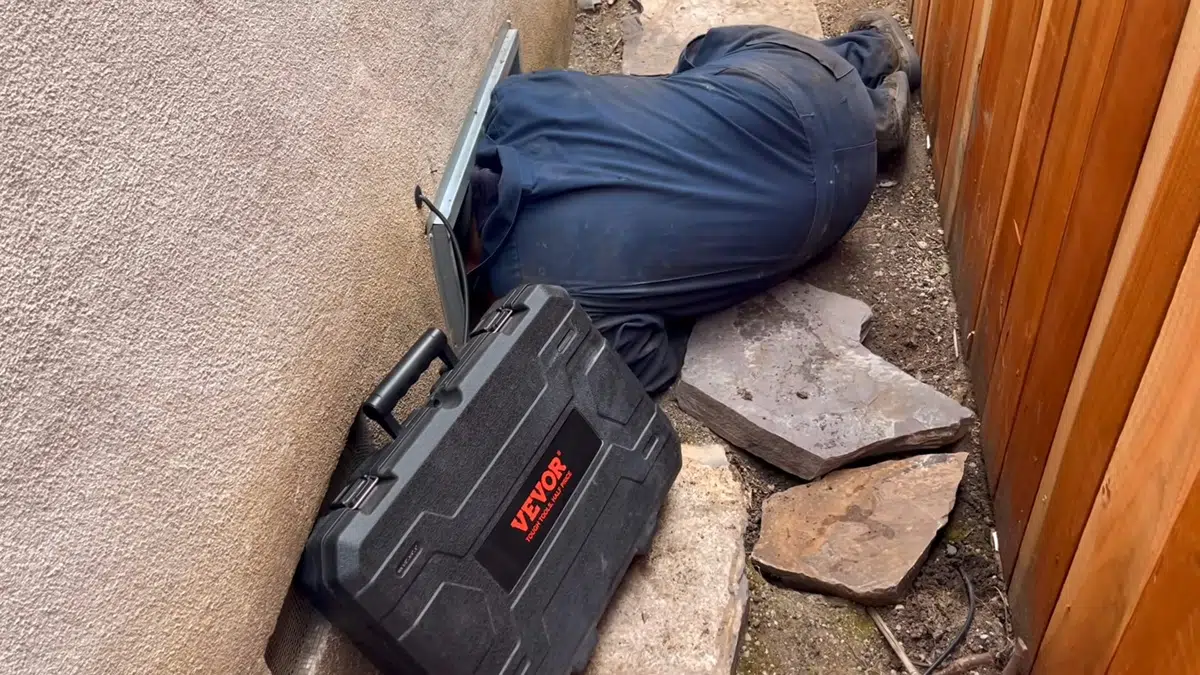
Not every leak announces itself with a drip you can mop up. The costly ones are hidden, inside a wall, beneath the slab, underground between the meter and the house, where water can escape for months before anyone notices. In Monrovia, where aging galvanized, hard water, and shifting foothill soils all conspire against pipes, hidden leaks are common. Here is how to spot one before it becomes real damage.
1. Your water bill climbs for no reason
The most reliable early warning is a water bill that rises with no change in how much water you use. Water escaping continuously somewhere you cannot see still runs through the meter, and it shows up as a higher bill month after month. If your usage habits have not changed but the bill has, that gap is often a hidden leak.
2. The meter moves with everything off
This is the simplest test you can run yourself. Turn off every water-using fixture and appliance in the house, then look at your water meter. If it is still creeping, water is moving through it, which means it is escaping somewhere in your system. It is one of the clearest signs of a hidden leak, and a good reason to call for leak detection.
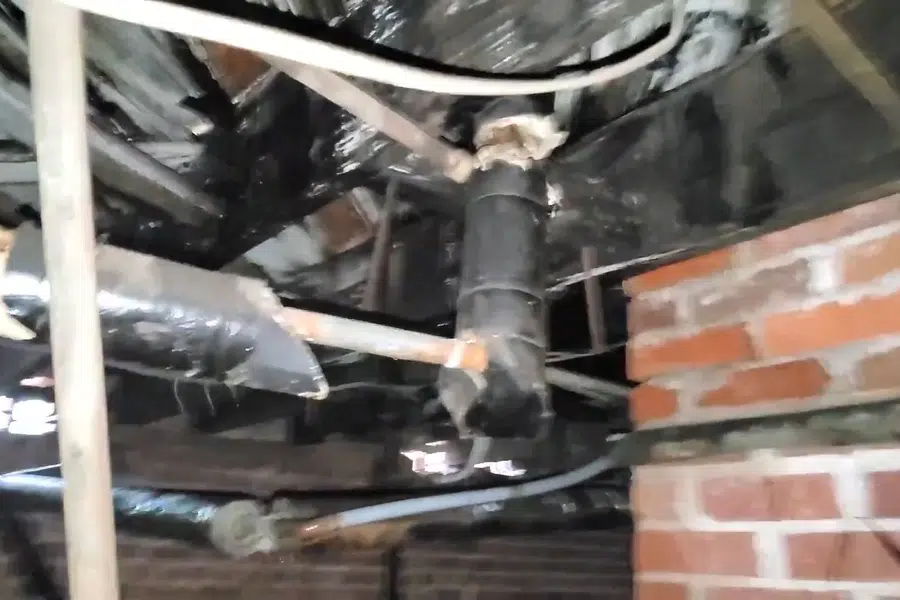
3. You hear water running when nothing is on
A faint sound of running or trickling water when every fixture is off is worth investigating. In a quiet house, a hidden leak inside a wall or under the floor can sometimes be heard, a soft hiss or trickle with no obvious source. Your ears can catch what your eyes cannot.
4. Damp spots, stains, or bubbling paint
Water finds its way to the surface eventually. A discolored patch on a wall or ceiling, paint that bubbles or peels, or a spot of damp drywall can all mark where a hidden leak has reached. In older Monrovia homes, these often trace back to failing galvanized supply lines weeping at the joints inside the walls.
5. A musty or mildew smell
A persistent musty, earthy smell with no visible source often means moisture is feeding mold or mildew somewhere out of sight, behind a wall, under a cabinet, beneath flooring. The leak itself stays hidden, but the smell is the giveaway. Left alone, that moisture can do real damage to framing and finishes.
6. A warm floor spot or a drop in pressure
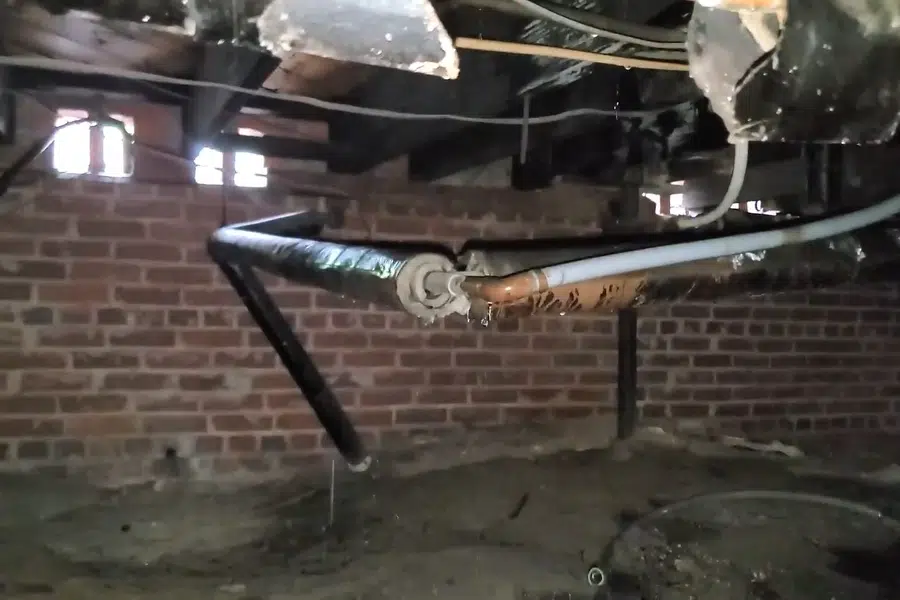
Two more signs point to specific leak types. A warm spot on the floor often means a hot-water line is leaking under the slab, common in South Monrovia's mid-century homes, which we cover in our slab leak post. And a drop in water pressure across the whole house can mean water is escaping from a supply line before it reaches your fixtures, sometimes in the buried service line between the meter and the house.
Why catching a hidden leak early matters
A hidden leak never gets better on its own, it only grows, and the cost grows with it. Beyond the wasted water on your bill, sustained moisture feeds mold, rots framing and drywall, warps flooring, and under a slab can even undermine the foundation. The difference between a minor repair and a major one is usually just how early the leak is found.
What to do if you suspect one
If any of these signs sound familiar, the next step is to locate the leak precisely, which is what modern leak detection does without tearing into your home. We use acoustic listening, thermal imaging, and pressure testing to pinpoint a hidden leak before opening anything, so the repair is targeted and small. Depending on what we find, the fix might be a simple repair, a reroute, or, if the leak is one of many in aging pipe, a repipe. The sooner that detection happens, the more options you have and the smaller the eventual repair, which is why it pays to act on the early signs rather than wait for water to appear where you can finally see it.
The bottom line
Hidden leaks are common in Monrovia homes and expensive when ignored, but they almost always leave clues: a rising bill, a creeping meter, the sound of water, damp spots, a musty smell, or a warm floor. If you are seeing any of them, do not wait for the damage to surface. We can find the leak precisely and fix it with the smallest repair the job allows, before a hidden problem becomes a visible one.
Frequently asked questions
How can I tell if I have a hidden water leak?
Common signs are a water bill that climbs without more use, the meter moving with everything off, the sound of running water, damp spots or stains, a musty smell, and a warm floor spot or drop in pressure. The meter test is the simplest to run yourself.
How do you find a leak without tearing up my house?
We locate it first with acoustic listening, thermal imaging, and pressure testing, then open only the small area the leak is actually in. The detection is what prevents the exploratory demolition homeowners worry about.
Can a small hidden leak really cause big damage?
Yes. A slow hidden leak runs continuously, wasting water and feeding mold, rotting framing, and warping flooring, and under a slab it can undermine the foundation. Finding it early is what keeps a minor repair from becoming a major one.