
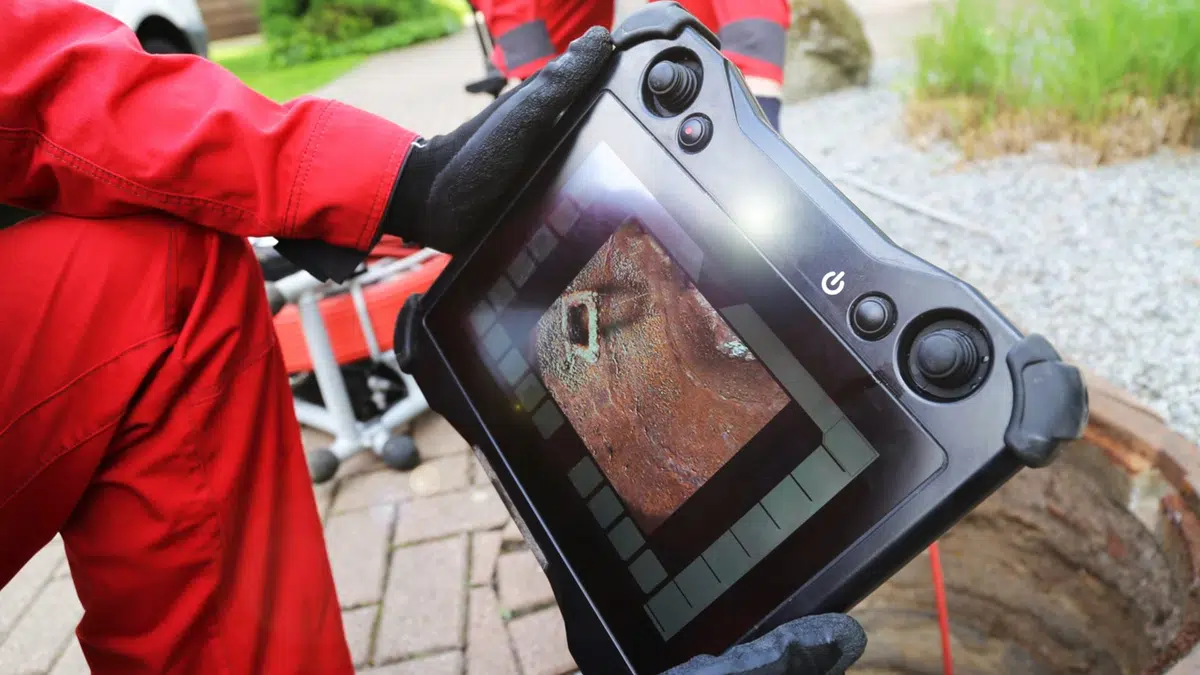
What leak detection is, and why Monrovia sees it
Leak detection is the work of finding water that is escaping where you cannot see it: inside a wall, under a slab, in the yard, or at a buried supply line. The goal is to pinpoint the source before opening anything, so a repair stays small and a wall or floor is not torn apart chasing a sound.
Monrovia's housing makes hidden leaks common in two ways. The pre-1965 homes around Old Town and the central city still carry galvanized supply lines that corrode from the inside and finally weep at the joints, often inside a wall. The newer slab homes in the South Monrovia flats and the North Hills customs can develop pinhole leaks in copper, which the city's very hard water encourages over time.
A hidden leak is expensive in more ways than one. It runs up the water bill, it feeds mold and rot in framing and drywall, and on a slab it can undermine flooring before you ever see a drop. The earlier it is found, the smaller the damage and the repair.
We approach detection as diagnosis, not demolition. By the time we open anything, we know where the water is and what is leaking, which is the difference between a targeted repair and a guessing game that wrecks finishes.
Detection is also the smart first step before a remodel, a repipe, or a home sale. Knowing exactly where the lines run, and whether any are leaking, lets you plan the work and the budget instead of discovering a problem halfway through a project or during escrow. We are glad to run a detection pass as part of planning a larger job, so there are no expensive surprises once the walls are open and a crew is already on site.
How we find a hidden leak
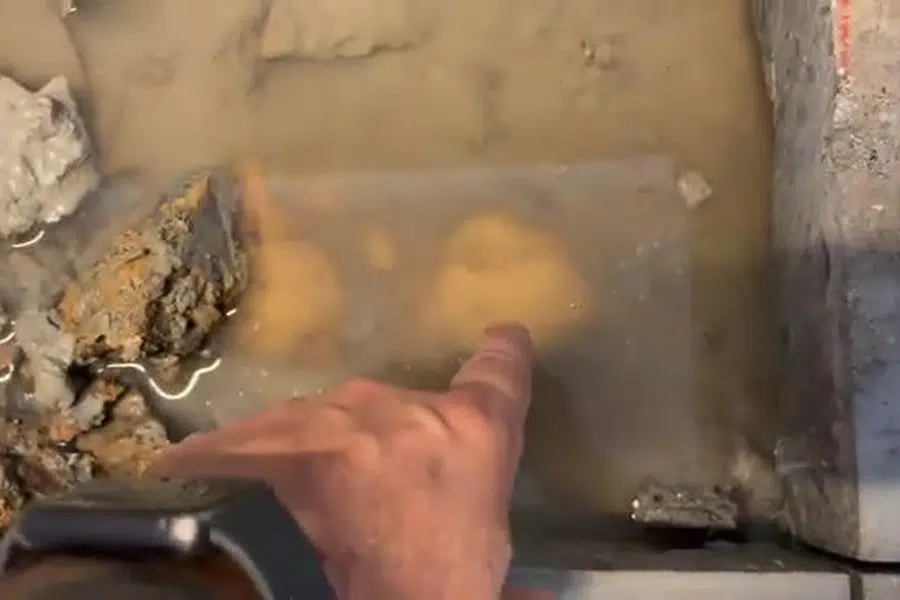
We combine a few methods so the location is confirmed from more than one angle before we touch a wall.
Acoustic detection
Pressurized water escaping from a pipe makes a sound. Sensitive listening equipment picks it up through walls, floors, and slabs and leads us to the area where the leak is loudest.
Thermal imaging
An infrared camera reveals the temperature difference a leak creates, a warm trail from a hot line or a cool damp patch from a cold one, which narrows the search and confirms the acoustic read.
Pressure and meter testing
We isolate sections and watch the system pressure and the water meter to confirm there is an active leak and which line it is on. Combined with acoustic and thermal results, that gives us a confident mark.
When another plumber already looked
A fair number of our detection calls are second opinions, and they need a different opening move. If someone has already been out and could not pinpoint the leak, repeating a single acoustic pass usually repeats the same result. We start instead by isolating the system in sections and pressure testing each one, which narrows the search to a length of pipe before any listening equipment comes out. Knowing what was already ruled out is genuinely useful, so tell us what the last plumber tried.
After we find it
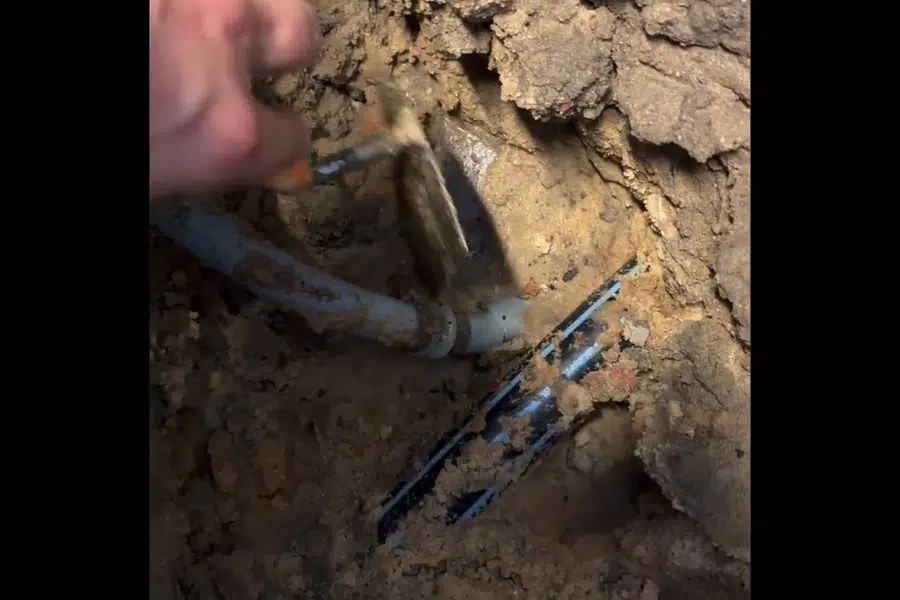
Detection is only useful if it leads to the right fix. Once the leak is pinpointed, we lay out the options.
Targeted access and repair
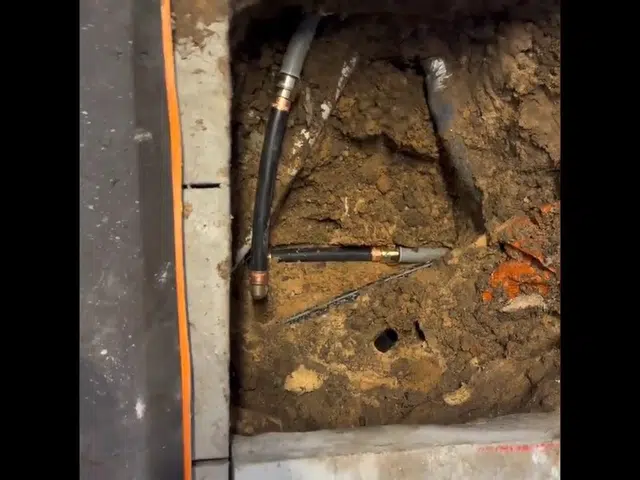
With the leak located, we open the smallest area needed, replace the failed section or fitting, and close it back up. No exploratory holes, no chasing.
Reroute instead of chase
When a line is buried awkwardly under a slab or behind finishes, rerouting a fresh line through a wall or attic is often faster and more durable than digging out the old one.
Flag a systemic problem
If detection shows the leak is one of several in aging galvanized or early copper, we will tell you honestly that a repipe is the better long-term spend than a string of single repairs.
Signs you have a hidden leak
Hidden leaks rarely announce themselves as a leak. Most people call us describing one of these instead:
- The city sent a notice, or the bill jumped, and nothing about your usage changed
- You shut off every fixture and the meter still moves
- A wet or stained ceiling below an upstairs bathroom, or a stain spreading across a wall
- A musty, mildew smell with no visible source
- A warm spot on the floor, or the sound of running water in a quiet house
- Water pooling in the yard or near the meter box with no rain to explain it
The meter test is the one you can run yourself in five minutes. Close every tap, appliance, and irrigation valve, then look at the small triangular or dial-shaped leak indicator on the face of the meter. If it turns at all, water is moving somewhere it should not be. A leak passing roughly a gallon a minute wastes about 1,400 gallons a day, which is why a bill can climb so sharply before anything becomes visible.
A wet ceiling is worth reading carefully before anyone opens it. A stain directly under an upstairs bathroom usually traces to a supply line, a wax ring, or a shower pan above it, and a stain that darkens only while a fixture runs points at a drain rather than a pressurized line. That difference decides whether the leak is losing water continuously or only during use, and it changes how urgent the repair is.
Cost of leak detection in Monrovia and the west SGV
Detection is a fixed, modest cost. The repair that follows depends on where the leak is and what is leaking. Finding it first is what keeps the repair from ballooning.
Detection is priced as its own service, so you can book it on its own. Some callers want the leak located and then handle the repair themselves, or hand our findings to a contractor already working on the house, and that is a normal way to use us. We give you the location, what the line is made of, and what the repair involves, whoever ends up doing it. For a standard single-story home the detection visit is quoted before we come out, so the number is settled on the phone rather than at the door.
Typical price ranges (2026)
| Job | Typical range | Notes |
|---|---|---|
| Standard leak detection | $200 – $600 | Acoustic, thermal, and pressure |
| Slab or underground locate | $300 – $700 | Harder-to-reach leaks |
| Repair after detection | $250 – $2,500 | Varies with location and pipe |
| Whole-home repipe (if systemic) | $4,000 – $12,000 | When many lines are failing |
Local 2026 ranges, offered as a guide. Your final price turns on access, materials, and the age of the system, and we set it after seeing the job in person.
Other plumbing work we handle
Leak detection often overlaps with our other work. A leak under a slab becomes a slab leak repair. A leak that is one of many in old galvanized becomes a repipe conversation. A leaking supply line at a fixture is a quick faucet or valve fix. Whatever we find, we will scope the repair clearly before doing it.
Frequently asked questions
How can you find a leak without opening the wall?
We locate it first with acoustic listening, thermal imaging, and pressure testing, then open only the small area the leak is actually in. The detection is what prevents the exploratory demolition people fear.
Why is my water bill suddenly high?
A jump with no change in habits usually means water is escaping continuously somewhere you cannot see. Checking the meter with everything off confirms it quickly, and detection finds where.
Do older Monrovia homes leak more?
The pre-1965 homes with galvanized supply lines are prone to hidden leaks as the pipe corrodes from the inside, and very hard water encourages pinholes in copper in newer homes. Both are common reasons we get detection calls here.
What happens after you find the leak?
We show you where it is, explain what is leaking, and lay out the repair, whether that is a small targeted fix, a reroute, or, if the pipe is failing in several places, a repipe. The choice is yours.
Can a small leak really cause big damage?
Yes. A slow hidden leak feeds mold and rot in framing and can undermine flooring over a slab long before you see water. Finding it early is what keeps a minor repair from becoming a major one.
Do you detect leaks outside the house too?
We locate leaks in yard and service lines as well as inside walls and under slabs. The same acoustic and pressure methods apply to buried supply lines between the meter and the home.
Related plumbing help
Related services
Service areas we cover
From the blog
Read the full set of Monrovia-specific plumbing guides, written for local homes and local water, on our blog.
Suspect a hidden leak?
Call and we will pinpoint it precisely, then fix it with the smallest repair the job allows.