
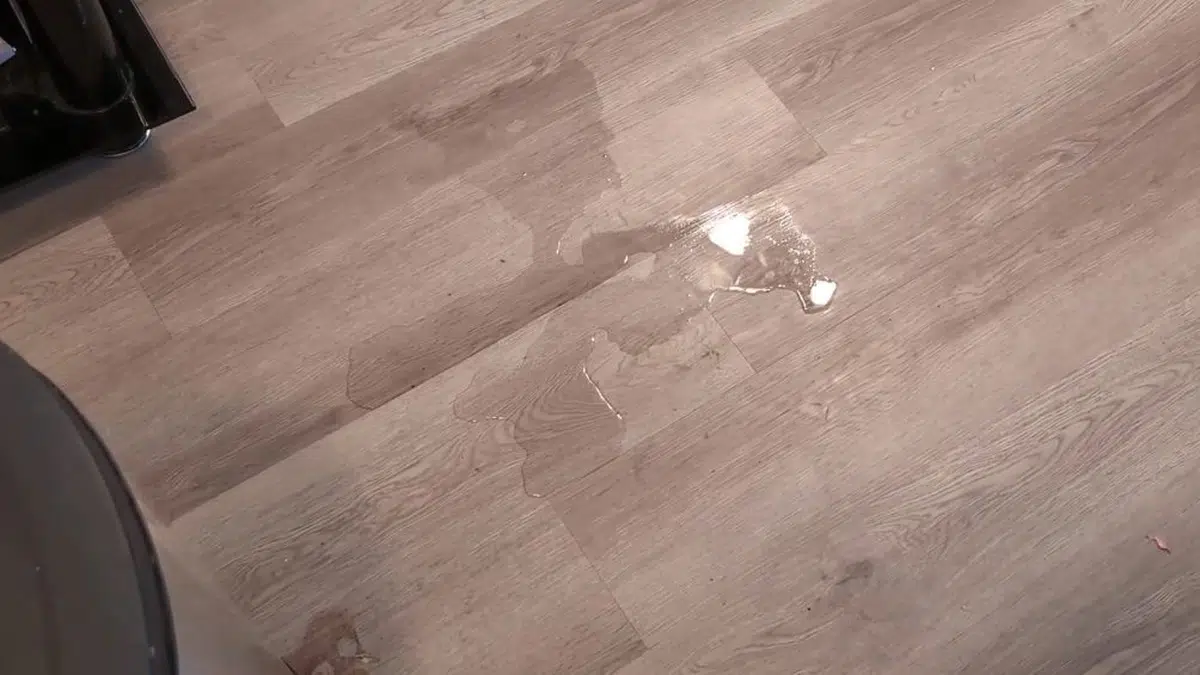
Below Foothill Boulevard, South Monrovia is filled with tidy mid-century tract homes built from the 1940s through the 1960s. Almost all of them share one feature: a concrete slab foundation, with the water lines running through or beneath it. That construction is solid and economical, but it has one weakness that brings us out to the neighborhood regularly, the slab leak.
What a slab leak is
A slab leak is a leak in one of the water lines that runs under your home's concrete foundation. Because the pipe is encased in or beneath the slab, the water has nowhere obvious to go, so a slab leak can run for a long time, hidden, before it announces itself. By the time it does, it may have wasted a great deal of water and started to undermine flooring or foundation.
In South Monrovia's mid-century homes, slab leaks usually involve copper supply lines that have been under the slab for decades. Over time, copper can corrode, especially where it contacts certain soils or carries very hard water, and eventually it develops a pinhole or a split. The result is a slow leak in a place you cannot see.
The signs of a slab leak
Slab leaks are sneaky, but they do leave clues. The earlier you catch them, the smaller the damage and the repair. Watch for:
- A water bill that climbs with no change in how much you use
- The sound of running water when every fixture is off
- A warm spot on the floor, which often means a hot-water line is leaking
- Cracks appearing in flooring or walls as the slab is affected
- Damp, warped, or discolored flooring with no surface source
- A drop in water pressure across the home
If you notice the meter creeping with everything shut off, that alone is strong evidence of a leak somewhere in the system, and a slab line is a common culprit in these homes. Our leak detection service exists precisely to pin down where it is.
How we find a slab leak
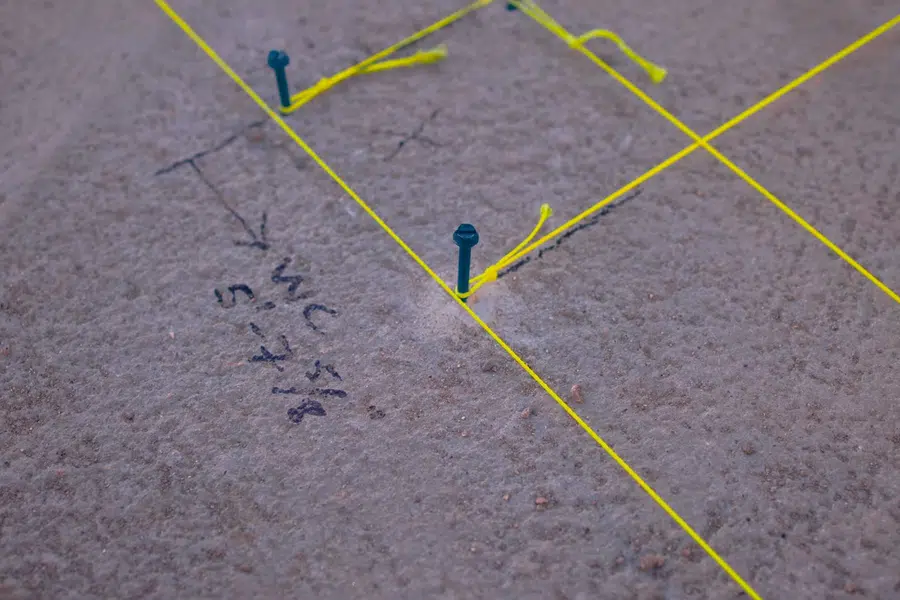
Finding a slab leak without tearing up the floor is the whole game, and it is doable. We use acoustic listening equipment that picks up the sound of water escaping under the slab, thermal imaging that reveals the warm trail of a hot-water leak, and pressure testing that confirms which line is losing water. Combining these methods lets us mark the leak's location precisely before any concrete is touched.
How a slab leak is repaired
Spot repair through the slab
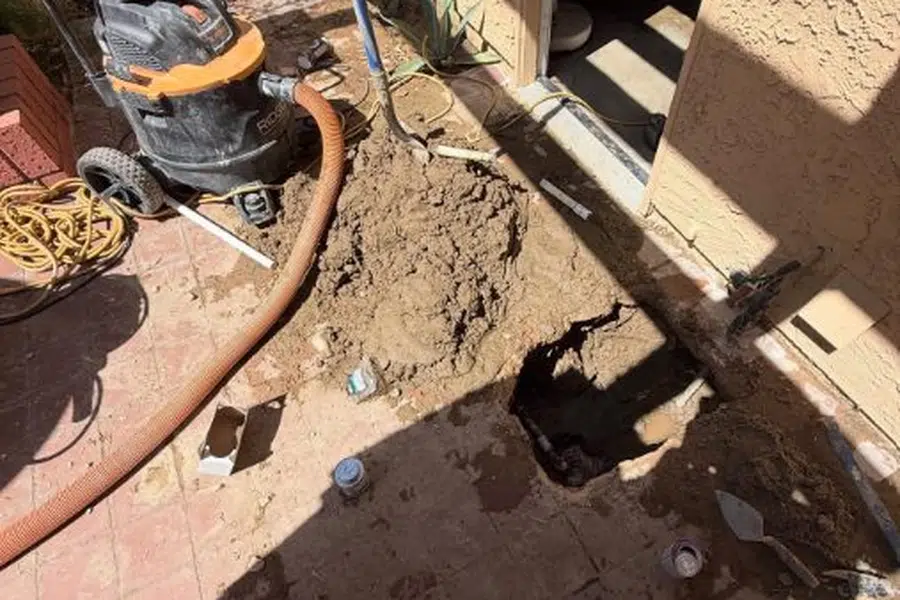
If the leak is in an accessible spot and the rest of the line is sound, we can open a small section of the slab, repair the failed pipe, and close it back up. This is the most direct fix when the line is otherwise in good shape and the leak is a one-off.
Reroute the line
Often the better answer is to abandon the failed line under the slab and reroute a fresh line through the walls or attic instead. This avoids breaking up more concrete, and it replaces the problem section entirely. For a single leak in an otherwise healthy system, a reroute is frequently the cleanest, least disruptive repair.
Repipe when leaks repeat
When a home has had more than one slab leak, it is usually a sign the lines under the slab are reaching the end of their life. At that point, repiping the home, running new supply lines above the slab through walls and attic, ends the cycle rather than chasing one leak after another. We explain the process in our repiping service.
Why catching it early matters
A slab leak is one of those problems where time is money in the most literal sense. Left alone, it wastes water month after month, and the moisture can damage flooring, promote mold, and in the worst cases affect the foundation itself. Caught early, it is often a straightforward reroute. The difference between the two is mostly how quickly the leak is found and addressed.
The bottom line
If you own a mid-century home in South Monrovia and your water bill has jumped, your floor has a warm spot, or you hear water running with everything off, do not wait it out. A slab leak does not heal, it only grows. We can locate it precisely, lay out whether a spot repair, a reroute, or a repipe makes the most sense, and stop the waste before it becomes damage.
Frequently asked questions
How do I know if I have a slab leak?
Common signs are a water bill that climbs without more use, the sound of running water with everything off, a warm spot on the floor, and unexplained damp or warped flooring. The meter creeping with all fixtures shut off is strong evidence of a hidden leak.
Do you have to break up my floor to fix a slab leak?
Not always. We locate the leak precisely first, then often reroute a fresh line through walls or the attic, which avoids breaking up the slab. A spot repair through the concrete is an option when the line is otherwise sound.
Why do South Monrovia homes get slab leaks?
Most are mid-century slab-on-grade homes with copper supply lines that have run under the concrete for decades. Over time copper can corrode and develop pinholes, especially with very hard water, leading to a hidden leak under the slab.