The water heater is one of the hardest-working appliances in any home, and one of the most taken for granted. In Monrovia, it also tends to wear out sooner than the label promises, thanks to the city's very hard water. Knowing what affects its lifespan, how to extend it, and when replacement beats another repair can save you both money and a cold-shower surprise.
How long a water heater should last
A conventional tank water heater is generally expected to last somewhere in the range of eight to twelve years, with some reaching a bit beyond that under good conditions. Tankless units last longer, often well past fifteen years, when properly maintained. Those are national averages, though, and Monrovia's water tilts the numbers downward.
The reason is scale. Monrovia's very hard water deposits mineral scale inside a tank, where it settles to the bottom, insulates the burner from the water, and forces the heater to work harder and run longer to do the same job. That extra strain, plus the corrosive effect of constant mineral exposure, is why many local tanks need replacing on the earlier end of that range. We explain the underlying issue in our post on why Monrovia's water is so hard.
How to extend your water heater's life
Flush it annually
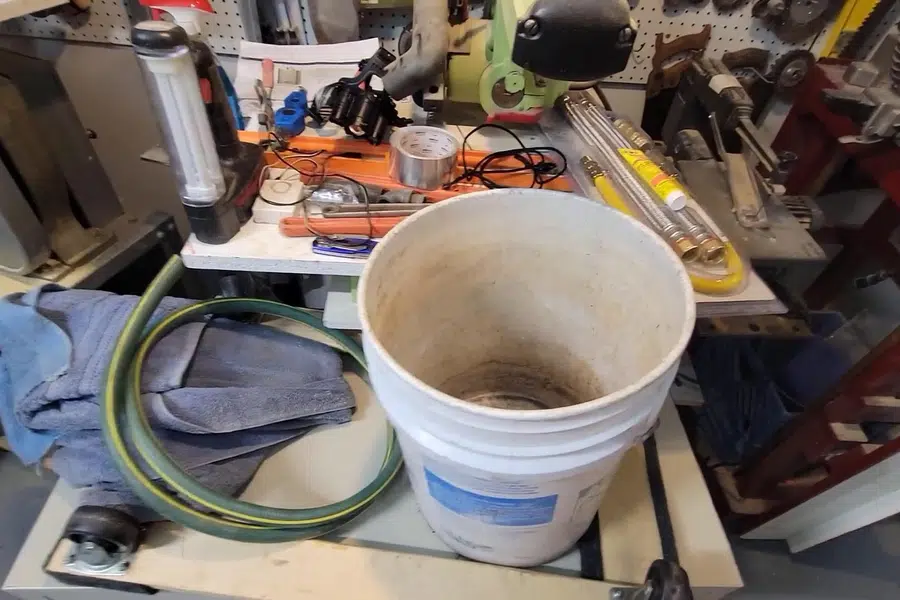
The single most valuable habit is flushing the tank once a year to clear out the sediment before it bakes onto the bottom and the heating surfaces. In Monrovia's water, sediment builds faster than average, so this matters more here than in many places. A yearly flush is inexpensive and noticeably extends a heater's working life.
Check the anode rod
Inside every tank is a sacrificial anode rod, designed to corrode in place of the tank itself. Once it is used up, the tank starts corroding, so checking and replacing the anode rod periodically can add years to the heater. In hard water, anode rods wear out faster, making this a worthwhile check.
Soften the water
The most effective long-term step is treating the water itself. A softener removes the minerals that cause scale before they ever reach the heater, which dramatically slows the wear. For homeowners weighing one, we lay out the case in our water softener cost breakdown.
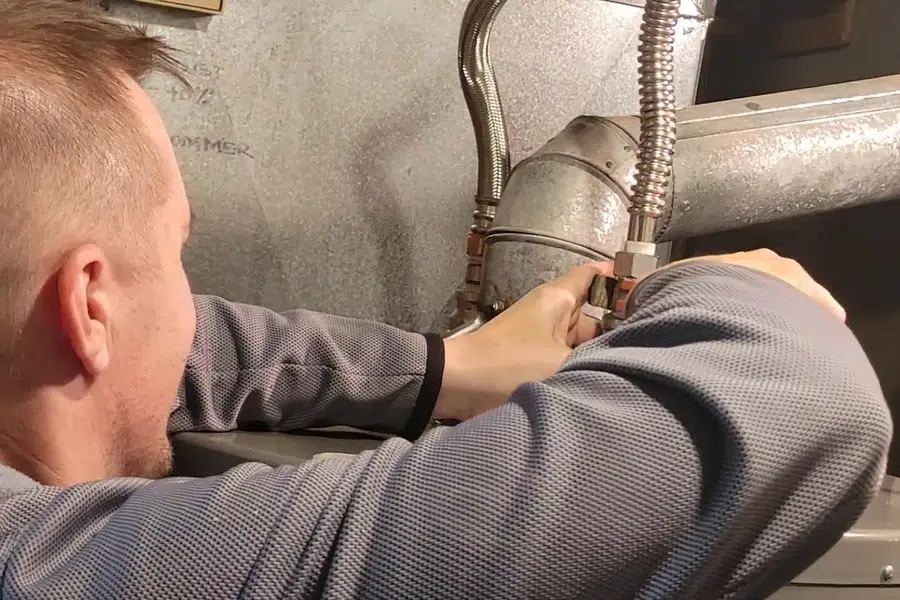
Installation matters too. A unit crammed into a tight, poorly ventilated closet, or one that was never set up with the right expansion tank and code components, tends to struggle more than one installed properly. When we replace a heater, getting those details right is part of helping the new one reach its full lifespan, not just swapping the box for an identical one.
The signs your heater is near the end
- The unit is past about ten to twelve years old
- Rumbling or popping sounds as the burner heats through sediment
- Rusty or discolored hot water
- Water pooling or moisture around the base of the tank
- Hot water that runs out faster than it used to
- You have already paid for one or two repairs recently
Water weeping from the body of the tank, as opposed to a fitting, is the clearest sign that replacement, not repair, is the answer, because a corroded tank cannot be fixed. We cover the repair side in our water heater repair service and the swap in our installation and replacement service.
Repair or replace?
The rule of thumb is straightforward. If the heater is relatively young and the problem is a part, a thermostat, a heating element, a valve, repair is usually worth it. If the heater is past about ten years, has had prior repairs, or is leaking from the tank itself, replacement is the smarter spend, because more repairs are coming. When you do replace, it is also the natural moment to consider a tankless upgrade or to add a softener so the next unit lasts longer. Whatever the timing, we give you the math rather than a default answer, so the choice between one more repair and a replacement is yours to make with real numbers.
The bottom line
In Monrovia, plan for a tank water heater to last toward the earlier end of the usual range, and treat annual flushing, anode checks, and ideally water softening as the way to push it longer. When the unit is past ten years, leaking from the tank, or stacking up repairs, replacement is the wiser path. We are glad to assess your heater, tell you honestly whether to repair or replace, and help you protect whatever comes next.
Frequently asked questions
How long should a water heater last in Monrovia?
A tank heater generally lasts eight to twelve years, but Monrovia's very hard water deposits scale that makes many local tanks wear out on the earlier end. Tankless units last longer, often past fifteen years, with proper maintenance and descaling.
How can I make my water heater last longer?
Flush the tank annually to clear sediment, which builds faster in hard water, check and replace the anode rod periodically, and ideally soften the water to stop scale at the source. These steps noticeably extend a heater's life here.
Should I repair or replace my water heater?
If it is relatively young and the issue is a part, repair. If it is past about ten years, has had prior repairs, or is leaking from the tank body, replace it, since a corroded tank cannot be fixed and more failures are likely coming.