What water softener installation and repair is, and why Monrovia sees it
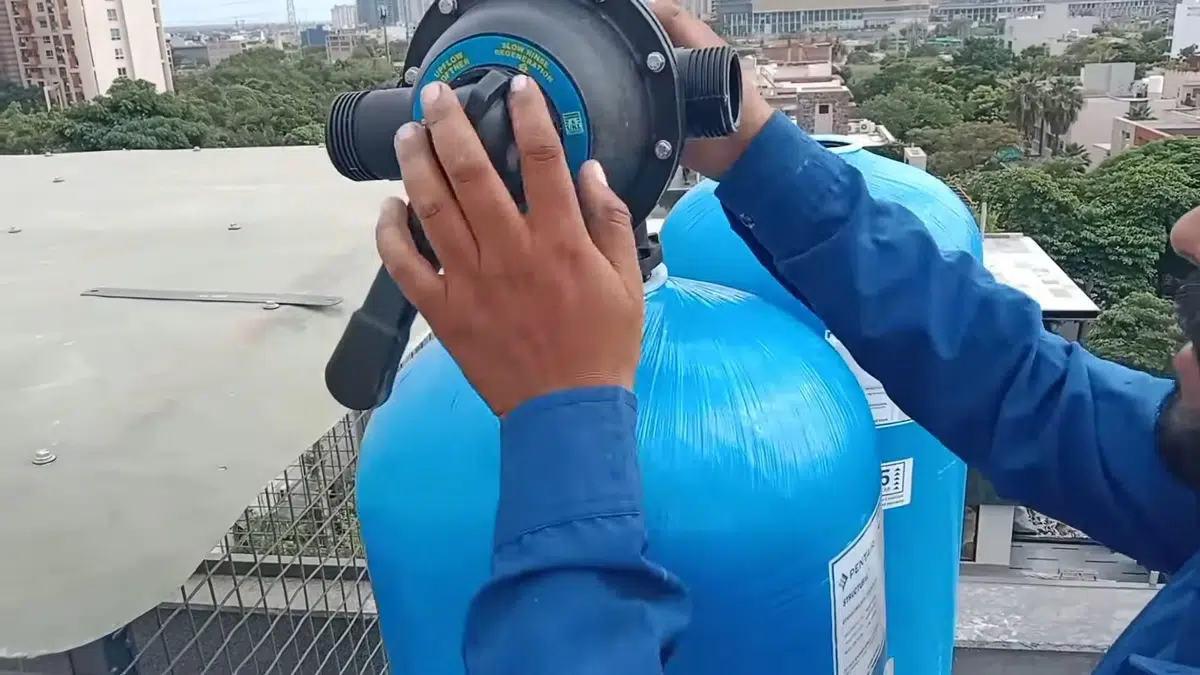
If your glasses come out of the dishwasher spotted, your soap never quite lathers, and your showerhead crusts over no matter how often you clean it, you are feeling Monrovia's hard water firsthand. A water softener is the fix. It removes the dissolved calcium and magnesium behind all of that, swapping them out through an ion-exchange resin so the water reaching your fixtures stops leaving scale behind. The city draws its groundwater from the main San Gabriel Basin, and it tests very hard, in the high-teens grains per gallon, well past the point where softening pays off.
You feel hard water everywhere: chalky spots on glasses, film on tile, soap that will not lather, and a water heater that works harder and dies sooner. The scale builds inside pipes and the heater tank, which is a big part of why hard-water homes replace heaters years earlier than soft-water homes. Demand for softening is strongest up in the North Monrovia Hills custom homes, but the hardness is citywide.
Hard water is a citywide fact in Monrovia, but people notice it in different ways. In the North Monrovia Hills customs with high-end fixtures and tankless heaters, scale shows up fast on glass and chrome and shortens the life of costly equipment. In the older Old Town and Mayflower Village homes, the same minerals quietly narrow already-aging supply lines.
Because the hardness comes from the San Gabriel Basin groundwater the City pumps, it does not change much from season to season. That makes a properly sized softener a long-term fix rather than a seasonal patch, and it is why we size to the measured hardness rather than a rough guess.
Adding a softener does not mean tearing the house apart. The unit ties in at a single point on the main line, and once it is set, the only routine is keeping the brine tank filled with salt. For a home that has fought spotty dishes and short heater life for years, that is a small trade for clean, scale-free water at every tap.
How we size a softener for Monrovia water
A softener that is too small wastes salt and wears out fast. Too large is money you did not need to spend. We size it to your actual water and household.
Test the hardness
We confirm the grains-per-gallon hardness at your tap rather than assume. Monrovia runs very hard, but the exact number guides the resin volume and the regeneration settings.
Match the system to the household
Sizing depends on how many people live in the home and how much water you use. We pick a unit with enough capacity to soften between regenerations without running short during a busy morning.
Choose the right type
Most homes do well with a standard timed or metered ion-exchange softener. Larger or always-occupied homes may benefit from a twin-tank system that never runs out of soft water. We explain the trade-offs and the salt and maintenance each involves.
Installation and repair methods
Whether you are adding a softener or fixing one that quit, the work is straightforward when it is done to code and sized correctly.
Whole-house softener installation
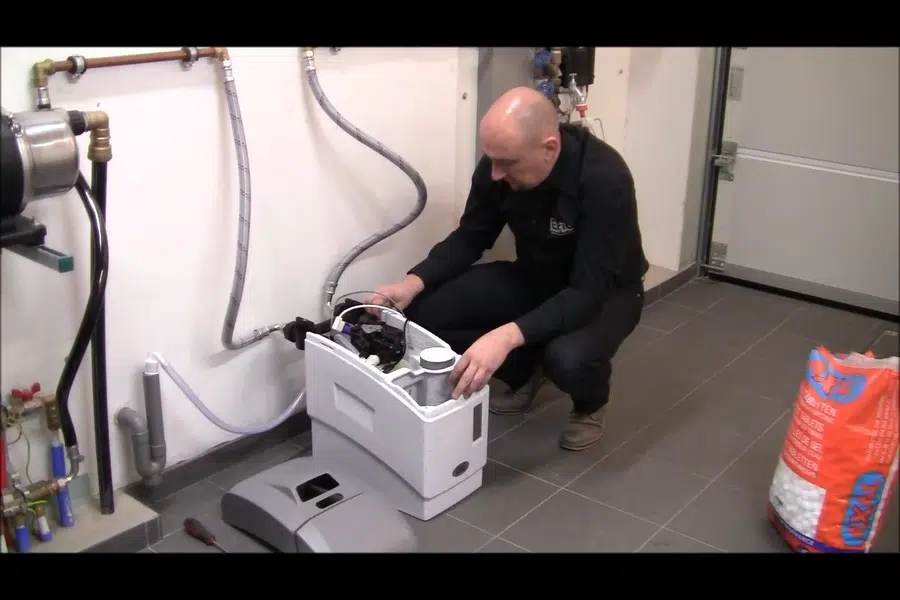
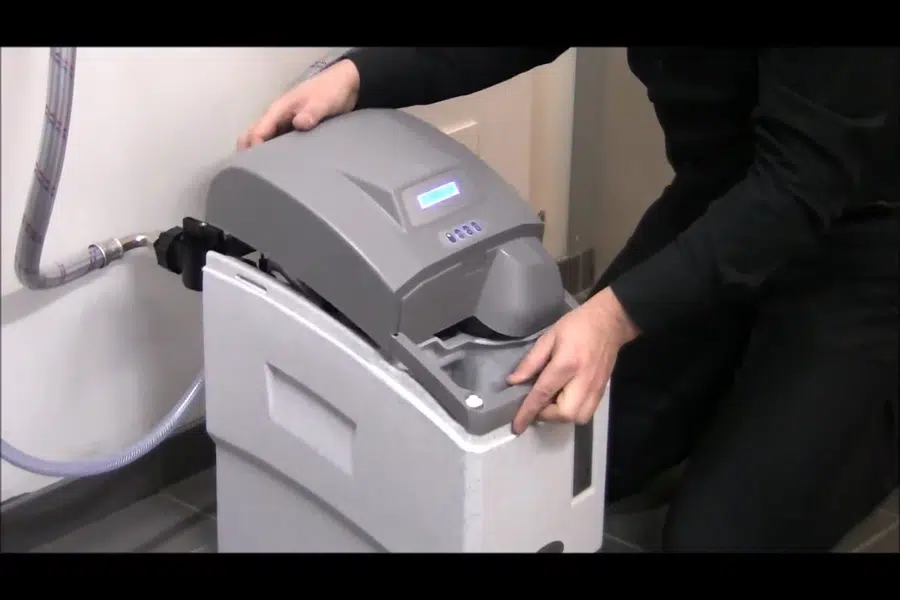
We tie the softener into the main line where it enters the home so every tap is covered, set the bypass and drain correctly, and program the regeneration. On homes that want it, we can pair softening with a carbon or sediment filter stage.
Repair and resin service
A softener that stopped softening usually has a valve, brine-tank, or resin issue. We diagnose the control head, clear salt bridges, and replace worn resin or parts so the system works at full capacity again.
Signs hard water is costing you
Monrovia's very hard water tends to announce itself the same way in most homes:
- White, chalky spots on dishes, glassware, and shower doors
- Soap and shampoo that will not lather the way they should
- Crusty scale on faucets, showerheads, and the water heater
- A water heater that rumbles, runs less efficiently, or fails early
- Stiff laundry and skin that feels dry after a shower
Cost of water softener installation and repair in Monrovia and the west SGV
Softener pricing depends on the system type and whether you are also adding filtration. Testing is quick and inexpensive. The install is the main cost.
Typical price ranges (2026)
| Job | Typical range | Notes |
|---|---|---|
| Water hardness test | Free – $150 | Confirms grains per gallon at the tap |
| Whole-house softener install | $1,200 – $3,500 | Ion-exchange system, sized to the home |
| Softener repair or resin service | $150 – $600 | Valve, brine tank, or resin work |
| Add carbon or sediment filtration | $800 – $2,500 | Paired with the softener |
Ranges are typical for the west San Gabriel Valley in 2026 and shift with access, materials, and the age of your home. We quote a firm price after seeing the job, and the estimate is free.
Other plumbing work we handle
Softening pairs naturally with whole-house filtration if you also want to address taste and the city's disinfection byproducts. If your existing water heater already has heavy scale, we can flush it during the install, and we will flag any aging galvanized that is restricting flow on its own.
Frequently asked questions
How hard is Monrovia's water, really?
City groundwater from the San Gabriel Basin tests very hard, in the high-teens grains per gallon. That is firmly in the range where a softener pays for itself by protecting your water heater, fixtures, and pipes from scale.
Do I actually need a softener here?
With water this hard, most Monrovia homeowners benefit, especially anyone tired of spotty dishes, short heater life, and scaled showerheads. If you are unsure, we can test your tap and show you the number before you decide.
Salt-based or salt-free?
A salt-based ion-exchange softener actually removes hardness minerals, which is what protects plumbing. Salt-free conditioners reduce scale buildup but do not soften in the same way. For very hard Monrovia water, salt-based is usually the stronger choice, and we will explain both.
Where does the softener get installed?
It ties into the main water line where it enters the house, often in the garage or along an exterior wall, with a drain line for regeneration. We handle the routing so every fixture gets soft water.
How much maintenance is involved?
Mostly keeping the brine tank topped with salt and an occasional resin check. A metered system only regenerates when needed, which keeps salt and water use down. We set it up and show you the routine.
Related plumbing help
Related services
Service areas we cover
From the blog
More Monrovia plumbing guides, with real 2026 cost ranges and honest repair-or-replace help, are waiting on our Monrovia plumbing blog.
Tired of hard water?
Call and we will test your water, size the right softener, and give you a clear install price up front.