Almost every Monrovia homeowner runs into hard water sooner or later, usually in the form of white scale on a faucet, a water heater that grumbles, or a showerhead that has slowly lost its spray. It is one of the most common things we get asked about, so it is worth explaining clearly: why the water here is so hard, what that hardness actually does to your plumbing, and what is worth doing about it.
What hard water actually is
Water hardness is a measure of dissolved minerals, mainly calcium and magnesium, that the water picks up as it moves through rock and soil. The more of these minerals it carries, the harder the water. Hardness is measured in grains per gallon, and anything above about 10 grains is considered very hard.
Monrovia's water sits well into that very hard range, commonly in the high teens of grains per gallon. That puts it among the harder municipal water in the region, and it is the reason the effects show up so quickly on local plumbing.
Why Monrovia's water is so mineral-rich
The City of Monrovia draws much of its water from groundwater in the San Gabriel Basin, the vast aquifer beneath the valley. That water has spent a long time moving through mineral-rich rock and sediment washed down from the San Gabriel Mountains, and it dissolves calcium and magnesium along the way. By the time it reaches your tap, it carries a heavy mineral load.
This is not a sign of anything wrong with the water. It is treated and tested to meet drinking water standards, and the City reports its results each year. Hardness is a separate issue from safety: the water is safe to drink, it is just mineral-heavy in a way that is hard on plumbing.
What hard water does to your plumbing
The trouble with all those dissolved minerals is that they do not stay dissolved forever. When hard water is heated or left to sit, the minerals precipitate out as scale, a chalky deposit that builds up inside anything the water touches. Over time, that scale does real damage.
Water heaters wear out early
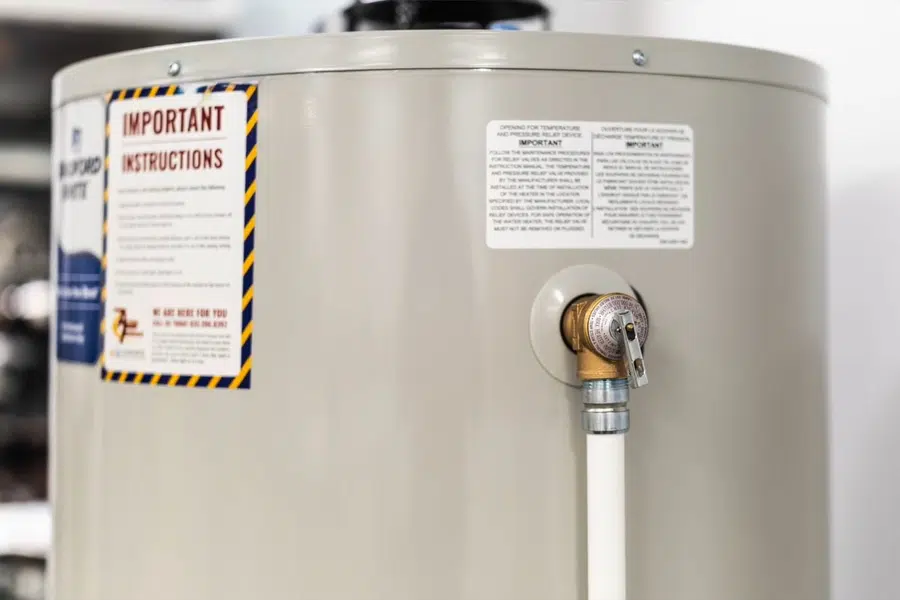
The inside of a water heater is the perfect place for scale to form, and in Monrovia it forms fast. Scale settles at the bottom of a tank, insulates the burner, makes the heater work harder, and shortens its life. It is a big reason local water heaters often need replacing on the earlier end of their expected lifespan. If you want the longer version, our guide to water heater lifespan covers it in detail.
Fixtures and aerators clog
The scale that crusts a faucet spout is the same mineral buildup, and it does more than look bad. It clogs the small aerator screens inside faucets and the nozzles in showerheads, which is the most common reason a single fixture slowly loses pressure. Cartridges and valves wear faster too, which is why drips are so common here.
Pipes and appliances take the hit
Scale narrows pipes over the years, builds up in dishwashers and washing machines, and coats the heating elements in anything that warms water. None of it happens overnight, but across a whole home it adds up to higher bills, more repairs, and appliances that do not last as long as they should.
What you can do about it
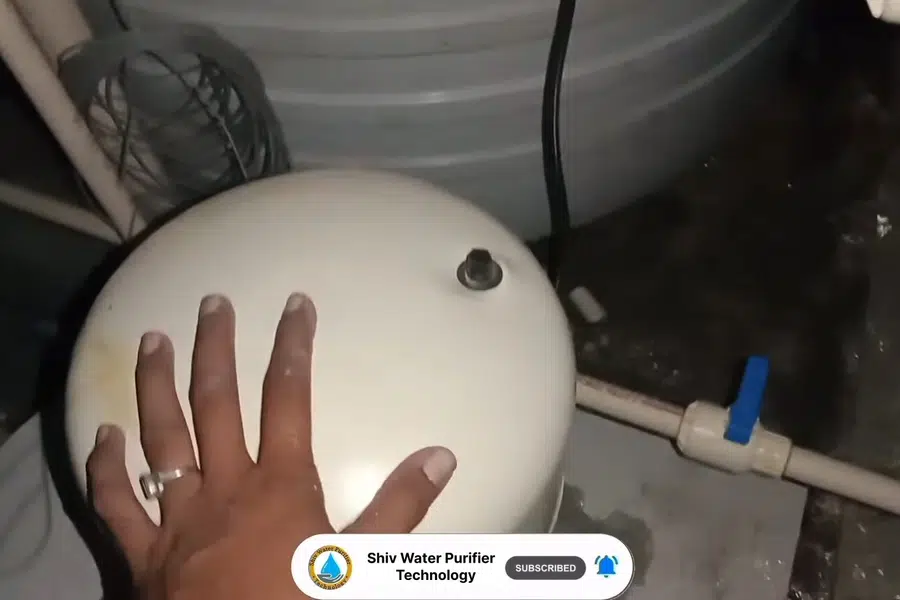
The most thorough answer is a water softener, which removes the calcium and magnesium before they reach your plumbing. A softener is the single most effective way to stop scale at the source, and in Monrovia's water it pays for itself in longer-lasting heaters, fixtures, and appliances. We cover whether one is worth it, with a cost breakdown, in a separate post.
If your concern is taste and quality at the tap rather than scale, water filtration is the better tool, and many homes pair the two. And whatever else you do, a few maintenance habits help: flushing your water heater annually clears the sediment before it bakes on, and cleaning aerators and showerheads restores pressure that scale has stolen.
For homes with a tankless water heater, hard water deserves special attention, because scale builds in the heat exchanger and has to be flushed out with regular descaling. We explain that in our piece on tankless heaters and hard water.
The bottom line for Monrovia homeowners
Monrovia's water is hard because of where it comes from, and that is not going to change. What you can change is how much it costs you. Treating the water, maintaining your heater and fixtures, and knowing what scale is doing behind the scenes are the difference between plumbing that wears out early and plumbing that lasts. If you are not sure where to start, we are glad to take a look and tell you honestly what would help most in your home.
Frequently asked questions
Is Monrovia's hard water safe to drink?
Yes. The City treats and tests its water to meet drinking water standards. Hardness is an aesthetic and plumbing issue, the minerals are not a health concern, they just cause scale that wears out plumbing and appliances.
Will a water softener fix all my hard-water problems?
A softener addresses the root cause by removing the hardness minerals before they reach your plumbing, which stops new scale from forming. It is the most effective single step, and pairing it with annual heater flushing protects your system further.
Why does only one of my faucets have low pressure?
That is almost always a scaled aerator or supply screen on that fixture, caused by hard-water minerals. Cleaning or replacing it usually restores full pressure without any deeper plumbing work.