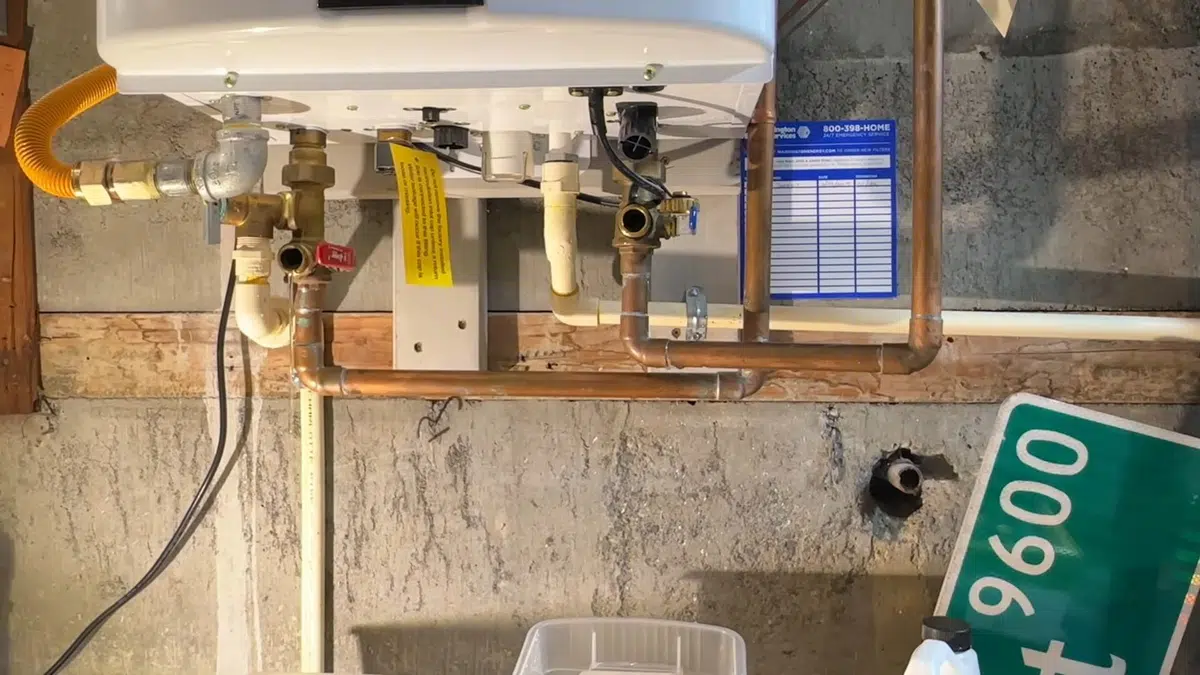
Tankless water heaters have earned their popularity, especially in Monrovia's larger and newer homes. Endless hot water, a fraction of the footprint, and a longer lifespan than a tank unit are all genuine advantages. But there is one part of owning a tankless heater in this area that often goes unmentioned until something goes wrong: hard water makes descaling not optional, but essential.
How a tankless heater works, and why scale hurts it
A tankless heater does not store hot water. Instead, when you open a hot tap, water flows through a heat exchanger that heats it on demand. That heat exchanger is the heart of the unit, a network of narrow passages that the water runs through while being rapidly heated.
Now combine that with Monrovia's very hard water. Heating hard water is exactly what makes its minerals precipitate out as scale, and the heat exchanger, hot and full of narrow passages, is the perfect place for that scale to form. As it builds, it restricts flow, insulates the heating surfaces so the unit works harder, throws error codes, and ultimately shortens the life of an expensive appliance. Our post on Monrovia's hard water explains the underlying chemistry.
What descaling actually is
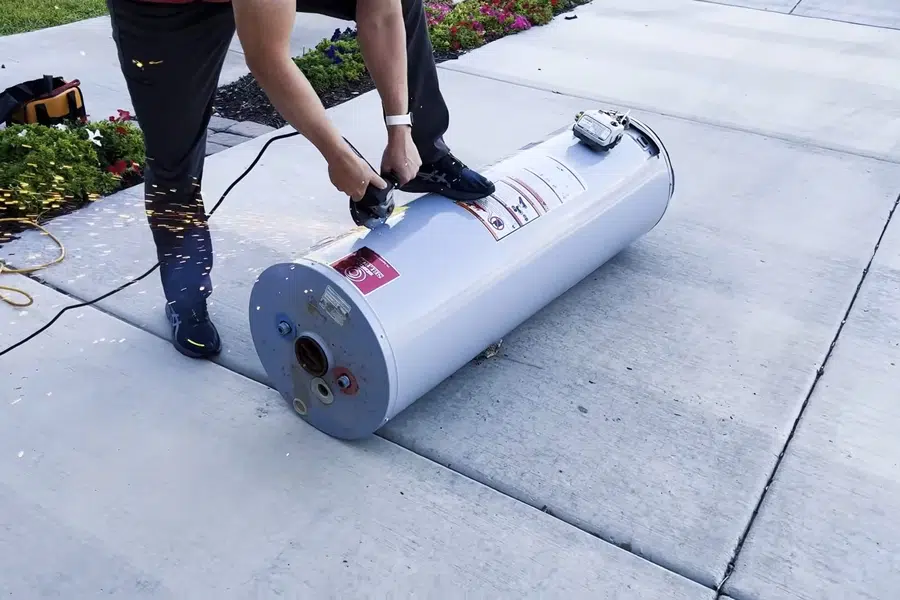
Descaling, sometimes called flushing, is the routine maintenance that clears that mineral buildup out of the heat exchanger before it does damage. In practice, we circulate a descaling solution through the unit, which dissolves the scale and flushes it away, leaving the heat exchanger clean and the passages clear. It is straightforward, it does not take long, and it is the single most important thing you can do to keep a tankless heater healthy here.
How often? In Monrovia's water, about once a year is a sensible rule, and heavier households or particularly hard supply may want it more often. Skipping it for years is the most common reason we see tankless units underperform or fail early in this area.
Can you descale a tankless unit yourself? Some handy owners do, with a kit and the right isolation valves, but it is fiddly and easy to do incompletely. Most homeowners prefer to have it handled as part of a quick service visit, often bundled with a check of the unit's filters, valves, and error history. Either way, the important thing is that it actually gets done on schedule, not who holds the hose.
The signs your tankless heater needs descaling
- Hot water that fluctuates or drops in temperature mid-shower
- An error code on the unit's display, often flow or temperature related
- Reduced hot-water flow or a longer wait for it to arrive
- Rumbling or unusual noise from the unit while it runs
- More than a year since the last descaling, even with no obvious symptoms
If you are seeing any of these, the heat exchanger is likely scaling up, and a descaling is the fix. We cover the full range of tankless work in our tankless water heater services.
The better long-term answer: soften the water
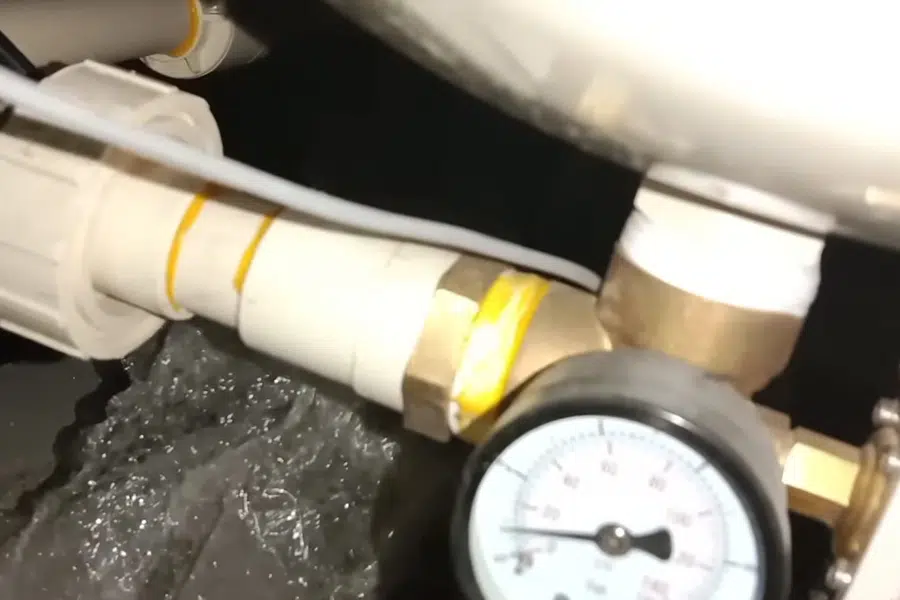
Descaling treats the symptom. If you want to slow the problem at its source, the answer is a water softener. By removing the calcium and magnesium before the water reaches the heat exchanger, a softener dramatically slows scaling, stretches the time between descalings, and protects the unit you spent good money on. For a tankless owner in Monrovia, a softener is the single best companion purchase, and we make the cost case in our softener post.
Pairing a tankless heater with a softener gives you the best of both: endless, efficient hot water and a heat exchanger that stays clean far longer. It is the setup we most often recommend for homeowners committed to tankless in this area.
Is tankless still worth it in Monrovia?
Absolutely, as long as you go in with eyes open. The endless hot water, the energy savings, and the reclaimed space are all real, and a well-maintained tankless unit lasts longer than a tank. The hard water simply means committing to the maintenance, descaling regularly, and ideally softening the water. Do that, and a tankless heater is an excellent choice here. Ignore it, and you will be replacing an expensive appliance years too soon.
The bottom line
Tankless heaters and Monrovia's hard water can coexist beautifully, but only with maintenance. Descale about once a year, watch for the warning signs, and strongly consider a softener to protect the investment. If your tankless unit is overdue for a flush or throwing codes, we can get it descaled and running right, and tell you honestly whether softening makes sense for your home.
Frequently asked questions
How often should a tankless heater be descaled in Monrovia?
About once a year is a sensible rule in Monrovia's very hard water, and heavier use or particularly hard supply may call for it more often. Skipping it lets scale build in the heat exchanger and is the most common cause of tankless trouble locally.
What happens if I never descale my tankless heater?
Scale builds in the heat exchanger, restricting flow, making the unit work harder, triggering error codes, and shortening its life. Many tankless units that underperform or fail early in this area simply went years without descaling.
Will a water softener mean I never have to descale?
A softener dramatically slows scaling by removing hardness minerals before they reach the heat exchanger, which stretches the time between descalings considerably. It is the best way to protect a tankless unit here, though occasional maintenance is still wise.