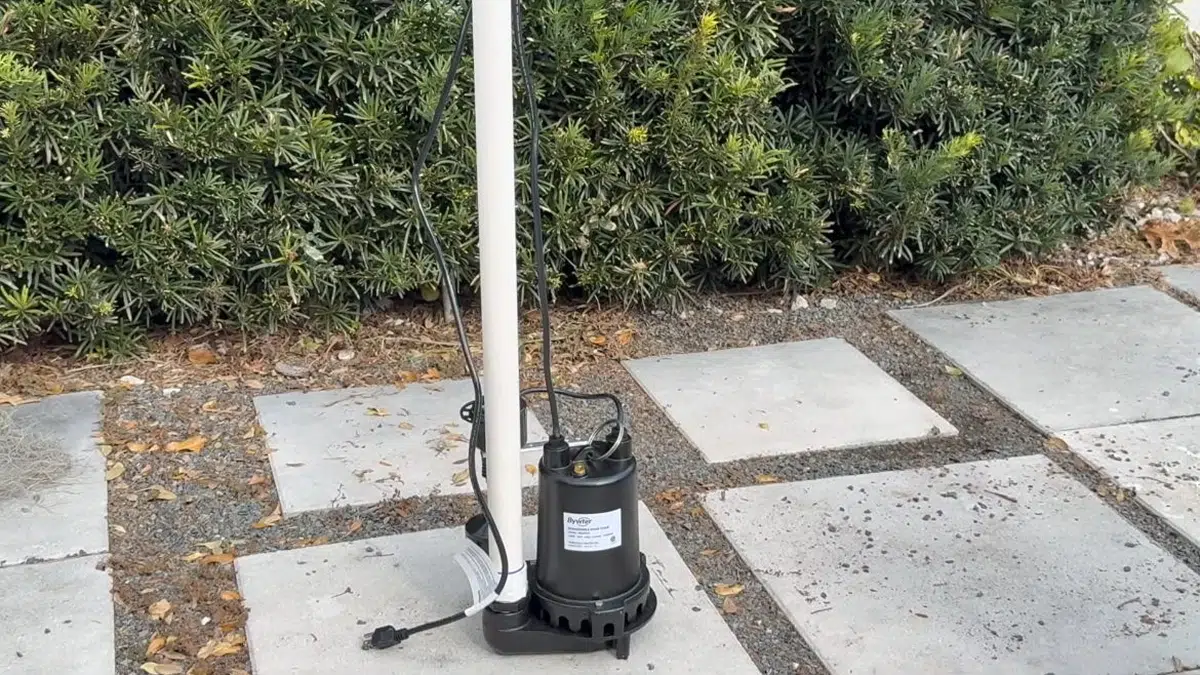
What pool leak detection and repair is, and why Monrovia sees it
A pool leak is water escaping from the pool shell, the plumbing lines, or the equipment pad faster than normal evaporation. Pools are most common up in the North Monrovia Hills custom homes, with fewer in the heritage Old Town blocks and the South Monrovia tract. During a dry California summer, a leak that would be a slow nuisance in winter becomes an expensive, daily loss, and refilling a leaking pool wastes water the whole valley is trying to conserve.
The tricky part is telling a real leak from ordinary evaporation. A pool can drop a quarter inch a day to sun and wind alone. We use a simple bucket comparison to separate evaporation from a leak, then track down where the water is actually going.
Monrovia's pool count is uneven across town. The hillside customs in the North Monrovia Hills were often built with the room and budget for a pool, while the compact Old Town lots and the South Monrovia tract homes have fewer. Most of our pool leak calls come from the foothill neighborhoods, where older in-ground plumbing has had decades to shift with the soil.
The age of the pool matters as much as the age of the house. A pool from the 1970s or 1980s may still run its original suction and return lines, and the rigid pipe and glued fittings of that era get brittle over time. We keep that history in mind when we decide where to test first.
A leaking pool is also a structural concern, not just a water bill. Water escaping from a buried line saturates the soil under the deck and shell, and over time that can undermine the very ground the pool sits on. Finding and stopping the leak early protects the whole installation, not only the water level.
How we diagnose a pool leak
Pool water can leave through the shell, the buried plumbing, or the equipment. We test each path rather than guess.
Dye and visual testing
With the pump off and the water still, we introduce dye near suspected spots: the skimmer, return fittings, lights, and cracks. The dye pulls toward an opening, which shows a shell or fitting leak directly.
Pressure testing the lines
We isolate and pressurize the suction and return lines to see whether they hold. A line that loses pressure points to a buried plumbing leak, which is common where ground has shifted around older pipe.
Listening and electronic location
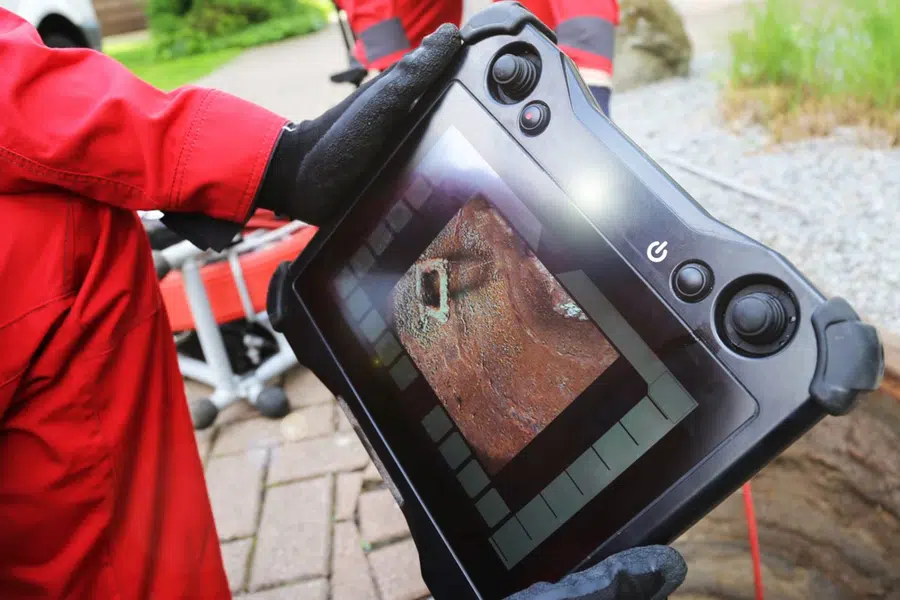
For a confirmed line leak, we use listening equipment to trace the escaping water along the run, so any excavation is targeted to one spot instead of trenching the whole yard.
Repair methods we use
The fix depends on where the water is leaving. Many pool leaks are surface or fitting repairs. Some are in the plumbing.
Shell, skimmer, and fitting repair
Cracks at the skimmer throat, loose return fittings, and light-niche leaks are sealed or replaced. These surface repairs solve a large share of pool leaks without touching the plumbing.
Plumbing line repair
When a suction or return line is leaking underground, we expose the failed section, replace it, and pressure-test again to confirm the line holds. We keep the dig as small as the diagnosis allows.
Equipment-pad repair
Leaks at the pump, filter, valves, or unions on the equipment pad are often the easiest to spot and fix, and we tighten or replace the failed component and check for others nearby.
Signs your pool is leaking
A few patterns separate a real leak from normal summer evaporation:
- The water level drops more than about a quarter inch a day
- You are running the auto-fill or a hose far more often than last year
- Wet or soggy ground shows up around the pool, the equipment pad, or the deck
- New cracks appear in the deck or the pool shell
- Air bubbles come from the return jets, a sign of a suction-side leak
Cost of pool leak detection and repair in Monrovia and the west SGV
Pool leak cost tracks with where the leak is. Finding it is a fixed detection fee. Surface repairs are modest, while buried line work runs higher.
Typical price ranges (2026)
| Job | Typical range | Notes |
|---|---|---|
| Pool leak detection | $300 – $600 | Dye, pressure, and listening tests |
| Skimmer or fitting repair | $150 – $600 | Shell-side and surface repairs |
| Plumbing line repair | $500 – $1,500 | Return or suction line fixes |
| Underground line repair | $1,500 – $4,000+ | Excavation of buried plumbing |
Ranges are typical for the west San Gabriel Valley in 2026 and shift with access, materials, and the age of your home. We quote a firm price after seeing the job, and the estimate is free.
Other plumbing work we handle
While we are diagnosing a pool, we check the equipment pad, the backwash line, and the hose bibs and fill line that feed the pool. If the loss turns out to be on the house side rather than the pool, we can move straight to leak detection or a water line repair on the same visit.
Frequently asked questions
How do I know if my pool is leaking or just evaporating?
A quick bucket test settles it. Set a filled bucket on a step so its water matches the pool level, wait a day or two, and compare the drops. If the pool falls faster than the bucket, water is leaving somewhere other than evaporation.
Is a pool leak urgent during a drought?
Stopping the loss sooner saves both money and water during California's dry stretches. A steady leak can waste hundreds of gallons a week, and the longer a buried line leaks, the more it can undermine decking and soil.
Where do most pool leaks happen?
Skimmers, return fittings, and light niches account for a lot of them, and those are surface repairs. Buried suction and return lines leak less often but cost more to reach, which is why we pressure-test before digging.
Can you find a leak in the underground plumbing?
Buried line leaks are found by isolating and pressurizing each line, then tracing the failure acoustically. That lets us open one targeted spot rather than trench the yard looking for it.
Do you work on pools in the North Monrovia Hills and nearby cities?
The hillside custom homes are where we see the most pools, and we also cover Arcadia, Sierra Madre, Bradbury, and the rest of the west San Gabriel Valley for pool leak work.
Related plumbing help
Related services
Service areas we cover
From the blog
More Monrovia plumbing guides, with real 2026 cost ranges and honest repair-or-replace help, are waiting on our Monrovia plumbing blog.
Pool losing water?
Call and we will separate evaporation from a real leak, find the source, and quote the repair before we start.